
Building a healthier lifestyle does not require an extreme diet, a complicated workout plan, or a complete change to your schedule. For most beginners, the best results come from a small set of repeatable actions that support energy, nutrition, movement, sleep, and stress management. The goal is to create healthy daily habits that fit your real life and can continue during busy weeks.
This guide explains how to start with manageable routines, plan balanced meals, exercise safely, improve sleep, and choose wellness products with care. You do not need to adopt every habit at once. Pick one or two changes, practice them consistently, and add more when they feel familiar.
Start With Simple Healthy Daily Habits
A useful beginner routine should be specific enough to follow but flexible enough to survive changes in work, family, travel, and energy levels. Instead of setting a broad goal such as “be healthier,” choose an action you can observe. Examples include drinking water with each meal, eating a serving of vegetables at lunch, walking after dinner, or going to bed at a regular time.
Use Small, Repeatable Actions
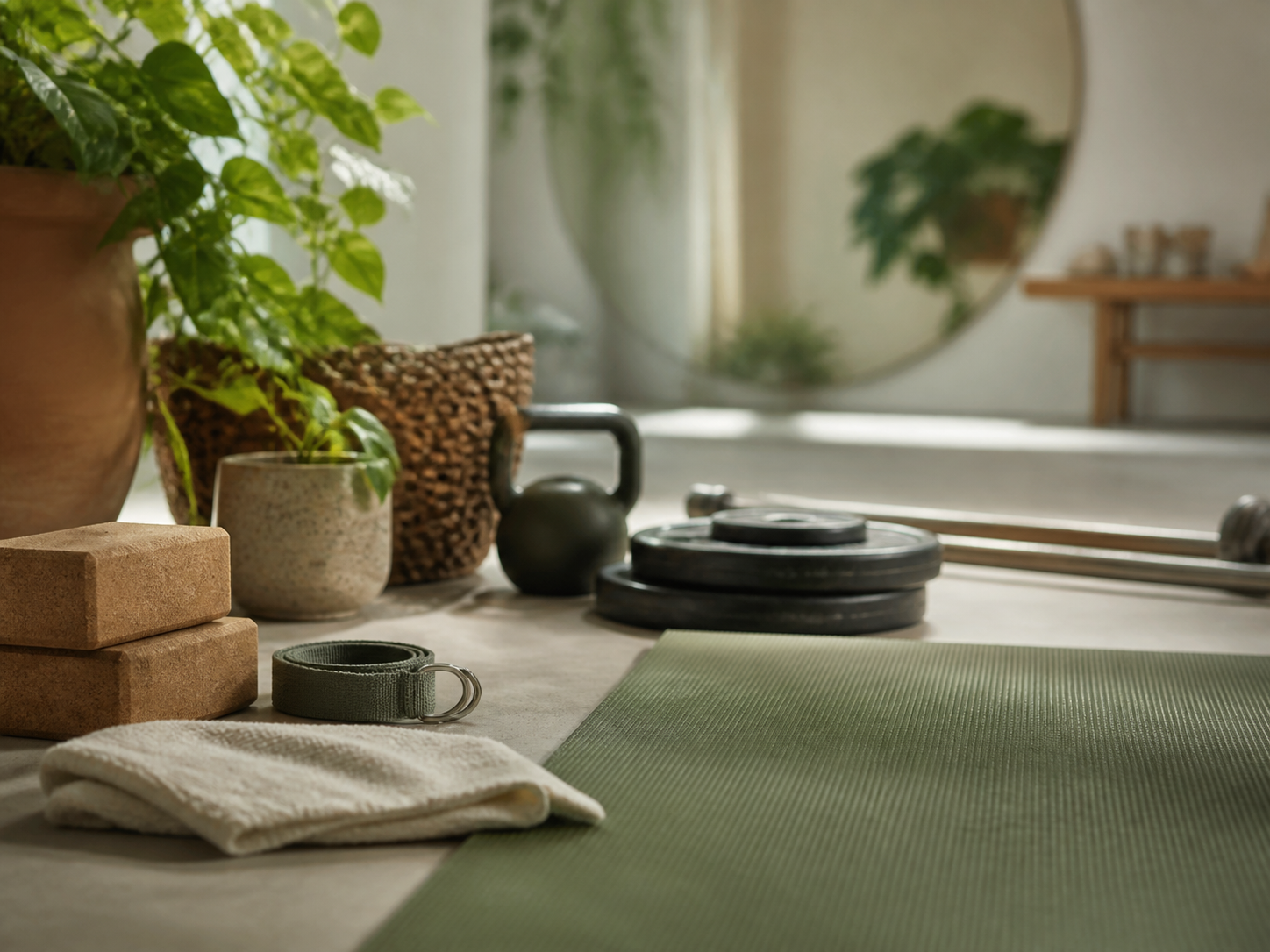
Small habits reduce the mental effort required to get started. You might prepare breakfast ingredients the night before, keep walking shoes near the door, or place fruit where it is easy to see. These changes make the preferred behavior more convenient without relying entirely on motivation.
It also helps to connect a new habit to something you already do. After brushing your teeth, you could spend a few minutes stretching. After lunch, you could take a short walk. A routine that follows an established action is easier to remember than one that depends on finding an unused block of time.
Track Behaviors, Not Perfection
Habit tracking can provide useful feedback, but it should not become a source of pressure. Record whether you completed the behavior, how you felt, and what made it easier or harder. A missed day is information, not failure. Review the pattern at the end of the week and adjust the plan rather than abandoning it.
Build Balanced Nutrition and Meal Planning Skills
Healthy eating is not defined by one food or one perfect menu. A balanced pattern usually includes a variety of vegetables and fruit, whole or minimally processed carbohydrates, protein-rich foods, and sources of unsaturated fat. Water should be the main drink for many people, with other beverages chosen according to personal preferences and health needs.
Create a Flexible Plate
For a simple meal, combine a protein source, a fiber-rich carbohydrate, vegetables or fruit, and a source of healthy fat. A bowl might include beans, brown rice, roasted vegetables, and avocado. Another meal could pair eggs with whole-grain toast, tomatoes, and fruit. The proportions can change based on appetite, activity, culture, budget, and dietary requirements.
Protein can come from fish, poultry, eggs, dairy products, tofu, tempeh, beans, lentils, nuts, and seeds. Whole grains, potatoes, oats, rice, and other carbohydrate foods can support energy, particularly for people who exercise. Olive oil, nuts, seeds, avocado, and oily fish provide useful fat sources. People with allergies, digestive conditions, diabetes, kidney disease, or other medical concerns may need individualized advice.
Plan Meals Without Overcomplicating Them
Start by selecting a few breakfasts, lunches, dinners, and snacks that you enjoy. Repeat reliable meals while introducing variety over time. A basic weekly plan can include:
- Two or three protein options, such as lentils, chicken, tofu, eggs, or fish.
- Several vegetables that can be eaten raw, frozen, roasted, or added to soups.
- Convenient carbohydrates, such as oats, potatoes, whole-grain bread, rice, or pasta.
- Simple snacks, such as fruit, yogurt, nuts, or vegetables with hummus.
Batch cooking does not have to mean preparing every meal on one day. Washing produce, cooking a pot of grains, or making a bean-based dish can shorten preparation time. Keep a few quick options available for demanding days so that one busy evening does not determine the entire week of eating.
Improve Food Quality Gradually
Rather than labeling foods as “good” or “bad,” look at the overall pattern. You might add vegetables to a familiar meal, replace some refined grains with whole grains, or choose unsweetened drinks more often. Enjoyable foods can remain part of a balanced diet. Flexible eating is usually easier to maintain than strict rules that create unnecessary guilt or restriction.
Try Beginner-Friendly Fitness
Beginners benefit from choosing activities that feel safe, accessible, and reasonably enjoyable. Walking, cycling, swimming, dancing, low-impact classes, and bodyweight exercises can all support fitness. Your starting point should reflect your current ability, previous injuries, available time, and personal preferences.
Use a Gradual Weekly Structure
A practical starting routine might combine regular walking with two short strength sessions each week. Add mobility work on several days, especially if you sit for long periods. The exact duration is less important than building a pattern you can repeat and gradually develop.
Begin each session with a few minutes of easy movement. During exercise, use a pace that allows controlled breathing and good technique. Increase one variable at a time, such as the number of repetitions, resistance, walking time, or training days. If you experience sharp pain, dizziness, unusual shortness of breath, or chest discomfort, stop and seek appropriate medical guidance.
Make Walking More Useful
Walking is a convenient way to add movement without requiring much equipment. You can take a short walk after a meal, use stairs when comfortable, walk while taking a phone call, or divide activity into several brief periods. Vary the route or invite a friend if consistency is difficult. Supportive footwear and a safe route matter more than expensive accessories.
Add Strength Training and Mobility
Strength training supports everyday tasks such as lifting, carrying, climbing stairs, and rising from a chair. It can be performed with body weight, resistance bands, dumbbells, or household objects designed for safe use. Beginners should focus on control, range of motion, and steady breathing before pursuing heavier loads.
Cover the Main Movement Patterns
A simple full-body session can include a squat or sit-to-stand, a hip hinge, a push, a pull, and a core exercise. For example, you might practice chair squats, a light hip hinge, wall push-ups, band rows, and a plank variation. Perform an amount that leaves you able to maintain good form. Rest between exercises as needed.
Resistance should feel challenging near the end of a set while still allowing controlled movement. Progress slowly by adding a few repetitions, using a slightly stronger band, or increasing weight only when the current version feels stable. A qualified professional can help if you are unsure about technique or have a medical condition.
Use Mobility Work Consistently
Mobility exercises move joints through a comfortable range and may help you prepare for activity or feel less stiff after sitting. Gentle ankle, hip, shoulder, and upper-back movements are suitable additions for many beginners. Avoid forcing a stretch or bouncing into discomfort. Mobility work should complement strength and aerobic activity rather than replace them.
Choose Home Workout Equipment Carefully
You can begin with very little equipment. A stable chair, exercise mat, resistance band, and comfortable footwear may be enough for a basic home routine. If you buy weights, choose a load you can control for the movements you plan to perform. Store equipment where it will not create a trip hazard.
Before purchasing a treadmill, stationary bike, adjustable dumbbell set, or other larger item, consider available space, noise, maintenance, warranty terms, and whether you will use it regularly. A product with many features is not automatically better. The most useful equipment is safe, easy to access, and suited to the exercises you already intend to do.
Improve Sleep and Manage Stress
Sleep affects concentration, mood, appetite, and exercise recovery. A consistent sleep and wake schedule can help establish a reliable rhythm. Keep the bedroom comfortable, reduce bright light before bed, and create a short wind-down routine that does not depend on screens or work messages.
Caffeine can affect people differently, so notice whether late-day intake interferes with sleep. Alcohol may make some people feel drowsy while still disrupting sleep quality. Persistent loud snoring, breathing pauses during sleep, severe daytime sleepiness, or ongoing insomnia should be discussed with a healthcare professional.
Use Brief Stress-Management Practices
Stress management does not require a long meditation session. Slow breathing, a short walk outdoors, journaling, gentle stretching, conversation with a trusted person, or a few minutes without notifications can help create a pause. Choose a method that feels realistic and repeat it at a predictable time.
Organizing the next day before bed can reduce mental clutter. Write down the most important tasks, prepare clothing or meals, and leave room for unexpected demands. Professional support is appropriate when stress, anxiety, low mood, or exhaustion interferes with daily life.
Use Trackers and Wellness Devices With Perspective
Fitness trackers, smartwatches, sleep monitors, and home scales can make trends easier to notice. They may help you monitor steps, workouts, heart rate, or reminders to move. However, consumer devices estimate many measurements rather than directly measuring them, and accuracy can vary by device, activity, body position, and individual characteristics.
Use these products to support behavior, not to judge your health from one reading. Look for patterns over time and combine device information with how you feel and perform. Check privacy settings before connecting an app, especially when it collects health-related data. Medical symptoms should not be ignored because a wearable reports a reassuring number.
Keep Healthy Kitchen Tools Practical
A few dependable kitchen tools can make balanced meals easier. A sharp chef’s knife, cutting board, storage containers, sheet pan, saucepan, and measuring tools cover many basic tasks. A rice cooker, blender, air fryer, or food processor may be useful if it matches your cooking habits, but none is essential.
Prioritize tools that are easy to clean, durable, appropriately sized, and safe to operate. Use food thermometers when cooking foods that require careful temperature control, and store perishable ingredients promptly. Kitchen convenience should support regular meals rather than encourage highly processed options as the default.
Approach Supplements With Evidence and Caution
Supplements are not a substitute for varied food, adequate sleep, or appropriate medical care. Some people may benefit from a supplement because of a diagnosed deficiency, a restrictive diet, pregnancy, medication use, or another specific need. The right choice depends on the person and the product.
Before taking a supplement, review the ingredient list, serving size, possible interactions, and quality information. Avoid products that promise rapid fat loss, effortless muscle gain, detoxification, or treatment of a disease. “Natural” does not automatically mean safe. Ask a doctor or pharmacist for guidance if you take medication, have a chronic condition, are pregnant or breastfeeding, or plan to give a supplement to a child.
Compare Health and Wellness Products by Use Case
When comparing products, begin with the problem you want to solve. For a fitness tracker, consider battery life, comfort, app compatibility, data controls, and whether its measurements are useful to you. For exercise equipment, assess stability, adjustability, storage, noise, and warranty support. For nutrition products, examine ingredients, allergen information, portion guidance, and independent quality testing where available.
Be skeptical of reviews that make medical claims or focus only on appearance. Compare the total cost, including subscriptions, replacement parts, accessories, and maintenance. A modest product that fits your routine can be more valuable than a premium device that remains unused.
A Simple Four-Week Starting Plan
During the first week, focus on one nutrition habit and one movement habit. For example, add fruit to breakfast and take a short walk on most days. During the second week, establish a regular bedtime routine and prepare one or two meals in advance.
In the third week, add two brief strength sessions using bodyweight or resistance bands. Include gentle mobility work after training or during work breaks. In the fourth week, review what worked, identify obstacles, and make the routine easier to repeat. Increase training gradually only when recovery and technique are comfortable.
The best healthy daily habits for beginners are practical behaviors that support your life rather than dominate it. Consistent meals, regular movement, sufficient recovery, and sensible product choices can build a strong foundation. Progress is more sustainable when you make changes you can continue during ordinary, imperfect weeks.
Quick Q&A
What is the best healthy habit to start with?
Start with a habit that addresses your biggest routine gap and is easy to repeat. A short daily walk, a consistent breakfast, earlier bedtime, or adding vegetables to one meal can all be good starting points.
Do beginners need supplements?
Most beginners do not need supplements simply because they have started exercising. Supplements may be useful for a specific, confirmed need, but discuss them with a healthcare professional when medications, medical conditions, pregnancy, or dietary restrictions are involved.
How often should beginners strength train?
Many beginners can start with two nonconsecutive sessions per week, allowing time to learn technique and recover. The appropriate schedule depends on training history, age, health, and the intensity of each session.
Are fitness trackers necessary?
No. Trackers can provide reminders and trend information, but a notebook, calendar, or simple perception of energy and performance can work just as well. Choose a device only if its features help you follow your routine.
Leave a Reply