
A nourishing breakfast can make it easier to meet your protein needs, manage hunger, and build a balanced eating pattern. The best healthy high protein breakfast ideas combine a protein-rich food with fiber, colorful produce, and a source of satisfying carbohydrates or healthy fat. This approach supports steady energy without turning breakfast into a complicated meal-prep project.
Protein is important for maintaining muscle, repairing tissues, and supporting many body processes. It is especially useful when paired with strength training, regular movement, and adequate sleep. Still, a high-protein breakfast does not need to rely on processed bars, powders, or large portions of meat. Greek yogurt, eggs, cottage cheese, tofu, beans, milk, fish, nuts, seeds, and whole grains can all contribute.
What Makes a Healthy High Protein Breakfast?
A balanced breakfast usually includes several elements:
- Protein: Choose one or two sources such as eggs, yogurt, cottage cheese, tofu, milk, beans, or lean poultry.
- Fiber-rich carbohydrates: Oats, whole-grain bread, fruit, beans, and vegetables can support digestion and help a meal feel satisfying.
- Color and micronutrients: Berries, leafy greens, tomatoes, peppers, bananas, and other produce add vitamins, minerals, and beneficial plant compounds.
- Healthy fats: Avocado, walnuts, chia seeds, flaxseed, olive oil, and natural nut butter can add flavor and staying power.
The right combination depends on your appetite, schedule, food preferences, activity level, and health goals. Someone preparing for a morning workout may prefer an easy-to-digest meal, while someone eating several hours before exercise may enjoy a more substantial plate.
Healthy High Protein Breakfast Ideas
1. Greek Yogurt, Berry, and Seed Bowl
Start with plain Greek yogurt or strained dairy-free yogurt with added protein. Top it with berries, chia or ground flaxseed, chopped walnuts, and a small serving of oats or unsweetened granola. Cinnamon can add flavor without relying on much added sugar.
This breakfast offers protein, fiber, calcium when dairy is used, and a mixture of textures. Choose plain yogurt so you can control sweetness with fruit. If you need more energy for a busy morning, add a slice of whole-grain toast or a small portion of nut butter.
2. Vegetable Egg Scramble with Whole-Grain Toast
Cook eggs with spinach, mushrooms, onions, or peppers, then serve them with whole-grain toast and fruit. Eggs provide complete protein, while vegetables add volume and important nutrients. For additional protein, combine whole eggs with egg whites or add a side of cottage cheese.
Use a small amount of olive or avocado oil for cooking, and season with herbs, black pepper, or a modest amount of reduced-sodium cheese. This meal can be prepared quickly and adapted to whatever vegetables are available.
3. Cottage Cheese with Fruit and Whole-Grain Toppings
Cottage cheese is a convenient protein source that works with sweet or savory flavors. For a sweet breakfast, combine it with sliced peaches, berries, pear, cinnamon, and pumpkin seeds. For a savory version, add cherry tomatoes, cucumber, avocado, and whole-grain crackers.
Look for a product that fits your taste and sodium preferences. Low-fat and full-fat options can both fit into a balanced diet; the choice depends on your overall calorie needs, appetite, and enjoyment.
4. Overnight Oats with Milk, Yogurt, and Chia Seeds
Mix rolled oats with milk, Greek yogurt, chia seeds, and fruit in a covered container. Refrigerate overnight, then add nuts or nut butter in the morning. The yogurt and milk increase the protein content compared with oats prepared with water alone.
Overnight oats are useful for meal planning because they can be prepared in several portions. Keep the recipe moderate in sweeteners, since flavored syrups and large amounts of dried fruit can make the meal less balanced. Vanilla, cinnamon, grated apple, or mashed banana can provide plenty of flavor.
5. Tofu Breakfast Scramble
Crumbled firm tofu can be cooked with turmeric, garlic, peppers, mushrooms, and spinach for a plant-based alternative to scrambled eggs. Serve it with whole-grain toast, roasted potatoes, or black beans. Nutritional yeast can add a savory flavor and some additional nutrients, although it should not be treated as a replacement for a varied diet.
If you follow a vegan diet, combine tofu with beans, fortified soy milk, seeds, or whole grains across the day. A registered dietitian can help you plan around individual requirements, allergies, and medical conditions.
6. High Protein Breakfast Smoothie
A smoothie can be practical when chewing a full breakfast is difficult or when time is limited. Blend milk or fortified soy milk with plain yogurt or a protein powder, frozen berries, spinach, oats, and nut or seed butter. The result is more balanced than a drink made mostly from fruit juice.
Protein powder is optional. If you use one, choose a product with a short ingredient list and third-party testing when available. Supplements can help fill a gap, but they do not replace meals built from minimally processed foods. People with kidney disease, pregnancy-related concerns, food allergies, or medication interactions should seek personalized medical advice before adding supplements.
7. Smoked Salmon and Avocado Whole-Grain Toast
Top whole-grain toast with avocado, smoked salmon, cucumber, and fresh herbs. Smoked salmon provides protein and fish-based fats, while avocado contributes fiber and monounsaturated fat. Because smoked fish can be high in sodium, keep portions reasonable and vary your seafood choices.
You can also use canned salmon or tuna mixed with plain yogurt and lemon. Choose products from lower-mercury seafood options when possible, and follow local guidance for seafood intake, especially during pregnancy.
8. Black Bean and Egg Breakfast Tacos
Fill corn or whole-grain tortillas with scrambled eggs, black beans, salsa, cabbage, and a little cheese or avocado. Beans contribute plant protein and fiber, while eggs add complete protein and help the meal feel substantial.
Make the filling in advance and store it safely in the refrigerator. Reheat only the portion you plan to eat. Choose lower-sodium canned beans or rinse them before use to reduce some of the added salt.
9. Protein-Packed Quinoa Breakfast Bowl
Cooked quinoa can serve as the base for a warm or chilled breakfast bowl. Combine it with milk, Greek yogurt, berries, walnuts, and cinnamon for a sweet version. For a savory bowl, add tofu, edamame, greens, and a soft-boiled egg.
Quinoa contains more protein than many other grains, but it is still useful to pair it with another protein source. Preparing a batch of quinoa during weekly meal planning can make this breakfast easier to assemble.
10. High Protein Breakfast Sandwich
Layer an English muffin or whole-grain roll with an egg, cottage cheese or reduced-fat cheese, tomato, and spinach. You can add sliced turkey or chicken if you enjoy meat, but choose minimally processed options when possible.
For a freezer-friendly version, prepare several sandwiches, cool them fully, wrap them, and freeze them. Reheat according to food safety guidance, checking that the center is hot before eating.
How Much Protein Should Breakfast Include?
Protein needs vary with body size, age, health status, total diet, and physical activity. A person who is strength training, recovering from an illness, or trying to preserve muscle during weight loss may need more protein than someone with lower activity. Instead of chasing one universal breakfast target, focus on including a clear protein source at each meal.
Useful visual portions include a serving of Greek yogurt, two eggs with an additional protein source, a palm-sized portion of fish or poultry, a generous scoop of cottage cheese, a serving of tofu, or a combination of beans and whole grains. Product labels can help compare options, but nutrition quality involves more than protein grams. Check added sugar, sodium, fiber, saturated fat, and the ingredient list as well.
Breakfast Ideas Before and After Exercise
Before a workout, choose foods that you digest comfortably. A banana with yogurt, toast with cottage cheese, or a small smoothie may work well before beginner-friendly fitness sessions or a morning walk. If you have more time, eggs with toast and fruit can provide a fuller meal.
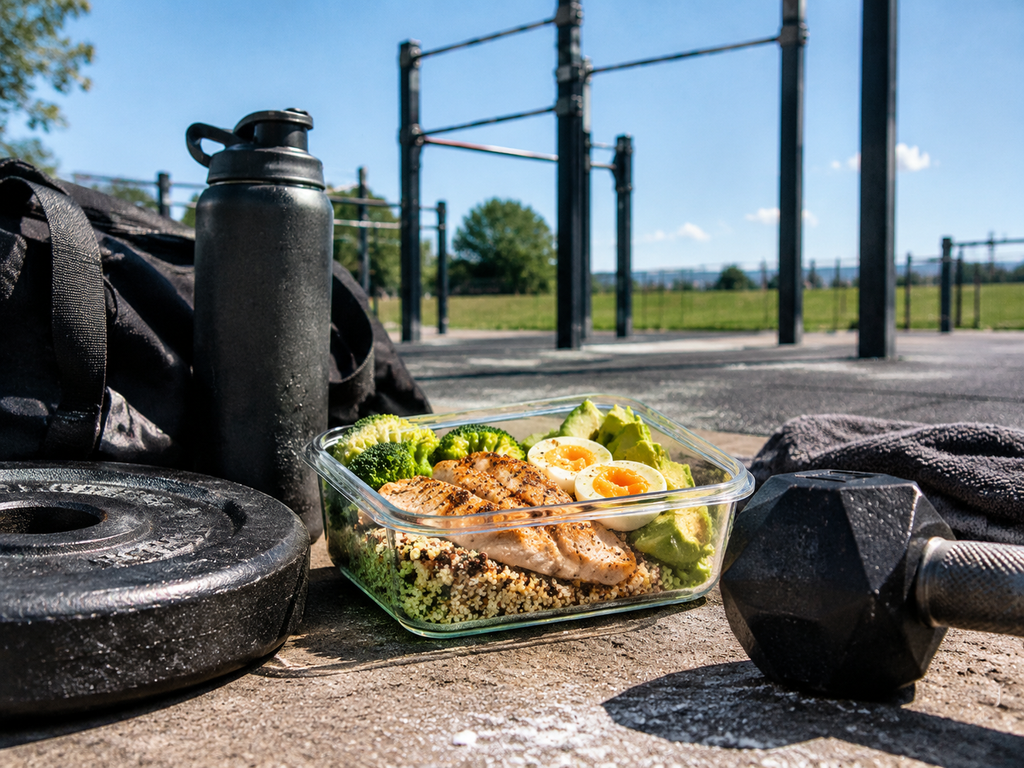
After strength training, a breakfast containing protein and carbohydrate can support recovery and replenish energy. Examples include a tofu and rice bowl, Greek yogurt with oats and berries, or eggs with potatoes and vegetables. You do not need a special recovery product if a regular meal meets your needs.
Hydration matters too. Water is suitable for many everyday workouts, while longer or more demanding sessions may require a more individualized hydration plan. A fitness tracker can help you observe activity patterns, but its calorie-burn and nutrient estimates are not exact measurements.
Meal Planning Tips for Busy Mornings
- Prepare one protein base: Boil eggs, portion yogurt, bake tofu, or cook beans ahead of time.
- Wash and portion produce: Keep berries, chopped vegetables, and fruit ready to use.
- Use dependable kitchen tools: Airtight containers, a blender, a nonstick skillet, and a food scale can simplify preparation. A scale is optional, not necessary for healthy eating.
- Keep shelf-stable backups: Oats, canned beans, whole-grain crackers, nut butter, and canned fish can support a balanced breakfast when fresh food is limited.
- Build two or three repeatable meals: Reliable options reduce decision fatigue without requiring the same food every day.
Food safety is part of meal planning. Refrigerate perishable foods promptly, keep cold foods chilled, and avoid leaving eggs, dairy, meat, or cooked grains at room temperature for extended periods. When in doubt, follow guidance from your local food safety authority.
Common Mistakes to Avoid
Relying Only on Protein Products
Bars, shakes, and cereals can be convenient, but many contain considerable added sugar or little fiber. Treat them as practical options rather than the foundation of every breakfast. Whole or minimally processed foods usually provide a wider range of nutrients.
Ignoring Fiber and Produce
A breakfast can be high in protein yet low in fiber if it consists only of eggs, meat, or a shake. Add fruit, vegetables, oats, beans, seeds, or whole grains to support overall dietary quality.
Making Breakfast Too Large
More protein is not automatically better. A very large breakfast may cause discomfort or leave less room for nutrients later in the day. Adjust portion sizes to hunger, training demands, and your overall eating pattern.
Assuming Supplements Are Required
Protein powders, vitamins, and other supplements can be useful in specific situations, but they should not compensate for poor sleep, inadequate meals, or an overly restrictive diet. Look for transparent labeling and independent quality testing, and ask a qualified clinician about products that may interact with medication or an existing condition.
A Simple Formula for Creating Your Own Breakfast
Choose one protein, one high-fiber carbohydrate, one fruit or vegetable, and an optional source of healthy fat. For example, combine eggs with whole-grain toast, tomatoes, and avocado. Or pair Greek yogurt with oats, berries, and walnuts. This formula works across many eating styles and can be adjusted for vegetarian, vegan, dairy-free, or gluten-free needs.
Healthy living is not built from one perfect breakfast. It comes from repeatable habits that support balanced nutrition, regular movement, strength and mobility, restful sleep, and manageable stress. Select breakfasts you enjoy, prepare them in ways that fit your schedule, and review how they affect your energy and appetite. Personal preference is an important part of a sustainable plan.
Q&A
What is the easiest high protein breakfast?
Greek yogurt with berries and seeds, cottage cheese with fruit, or a smoothie made with milk and yogurt can be prepared in minutes. Eggs cooked with pre-chopped vegetables are also simple and filling.
Can I eat a high protein breakfast without meat?
Yes. Try Greek yogurt, cottage cheese, eggs, tofu, tempeh, beans, edamame, fortified soy milk, quinoa, nuts, and seeds. Combining several plant foods across the day can support a well-rounded protein intake.
Are protein shakes healthy for breakfast?
They can fit into a balanced diet, especially when time is limited, but quality varies. Include fiber-rich foods such as fruit, oats, or seeds, and choose a product with suitable ingredients, sugar, and sodium for your needs.
What should I eat if I exercise early in the morning?
Choose a small meal or snack that feels comfortable, such as yogurt and fruit, toast with nut butter, or a banana smoothie. Eat a more complete breakfast afterward if your first snack was small.
Leave a Reply