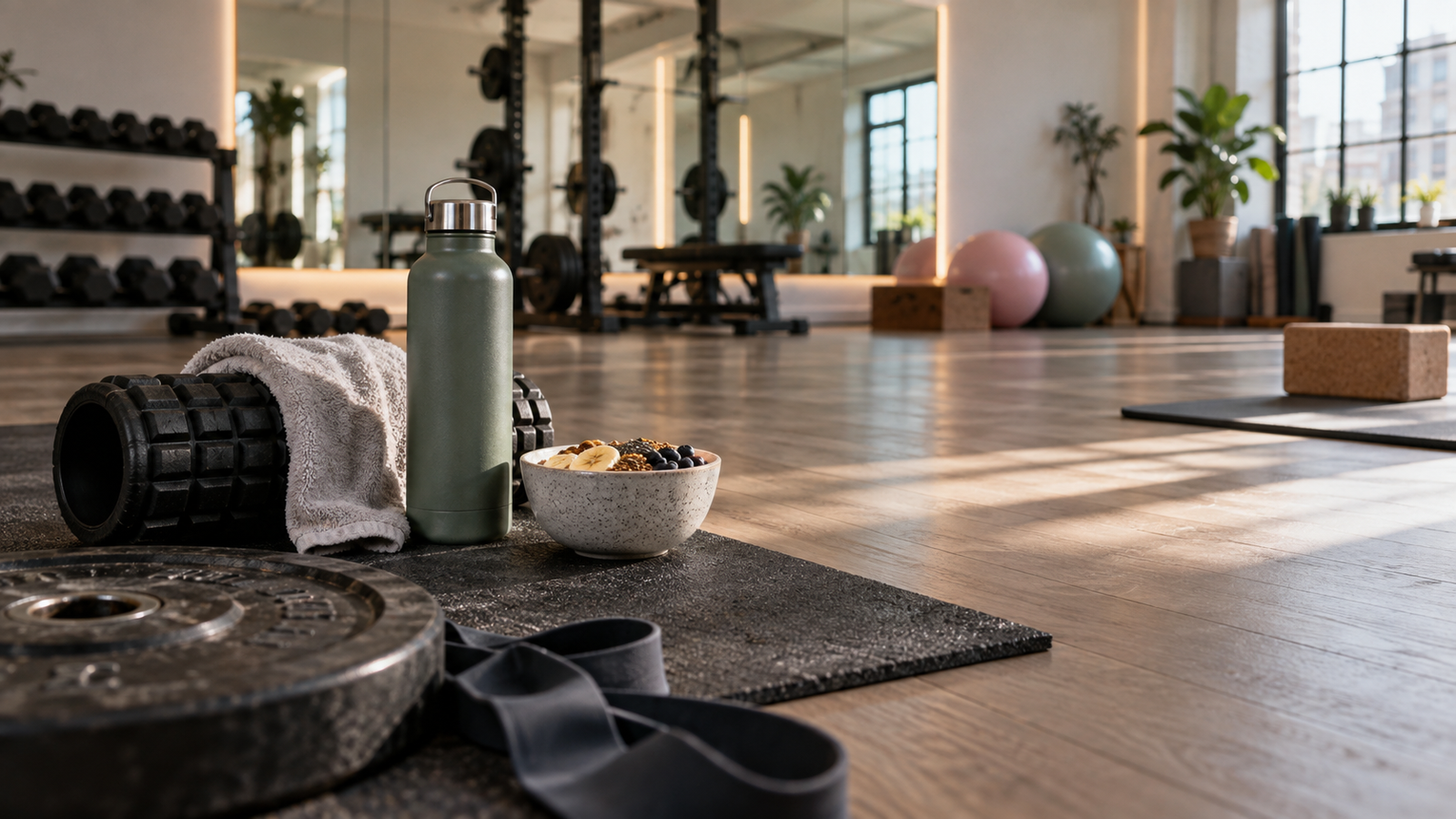
Knowing how to recover after a workout can help you return to training with more energy, manage normal muscle soreness, and build a consistent fitness routine. Recovery is not a single action. It is a combination of cooling down, replacing fluids and energy, eating enough protein and carbohydrates, sleeping well, managing stress, and adjusting training when your body needs more time.
This guide explains practical, beginner-friendly recovery habits for strength training, cardio, mobility work, and home workouts. It also covers what recovery tools can and cannot do, when supplements may be useful, and which symptoms deserve medical attention.
What Does Workout Recovery Mean?
Workout recovery is the process of allowing your body to restore energy, repair exercise-related tissue stress, rebalance fluids, and regain readiness for future activity. Recovery begins as soon as a workout ends, but it continues over the following hours and, after demanding sessions, sometimes longer.
Normal post-workout effects can include tiredness, mild muscle stiffness, and delayed-onset muscle soreness. These are not the same as an acute injury. Sharp pain, significant swelling, joint instability, numbness, chest pain, fainting, or pain that changes your movement should not be dismissed as ordinary soreness.
Recovery needs vary according to workout intensity, training experience, sleep, nutrition, age, health conditions, climate, and stress. A beginner may need more rest after a new strength session than after a familiar walk. Likewise, a trained athlete may tolerate higher workloads but still require adequate food and sleep.
Step 1: Cool Down Gradually

After a challenging workout, spend several minutes moving at an easy pace. Walk slowly after running, pedal lightly after cycling, or perform gentle movements after resistance training. A gradual cool-down can make the transition from exercise to rest feel more comfortable and gives you time to notice unusual symptoms.
There is no requirement to perform a long, elaborate cool-down after every session. The main goal is to reduce activity gradually rather than stopping abruptly after an intense effort. If you feel dizzy, unusually short of breath, or unwell, stop exercising and sit or lie down safely. Seek medical help for severe or persistent symptoms.
Should You Stretch After a Workout?
Gentle stretching can support mobility and may feel relaxing, especially when focused on muscles that feel restricted. However, stretching is not a guaranteed way to prevent soreness or speed tissue repair. Avoid forcing a stretch, bouncing, or stretching through sharp pain.
For long-term mobility, a separate mobility routine performed when you are warm may be more useful than trying to solve every flexibility goal at the end of a workout. Controlled movements such as ankle mobility drills, hip rotations, thoracic rotations, and light bodyweight squats can complement strength training.
Step 2: Replace Fluids and Electrolytes
Drink according to thirst and the amount of fluid you lost. Water is generally suitable for many short, moderate workouts. Longer or sweat-heavy sessions may require a drink or meal that provides sodium and other electrolytes, particularly in hot or humid conditions.
A practical approach is to drink water with your post-workout meal and continue normal fluid intake through the day. Avoid treating hydration as a competition. Excessive water consumption can also be dangerous because it may dilute blood sodium.
Sweat rate differs widely. Clothing, temperature, workout duration, body size, and individual physiology all affect fluid needs. You can monitor clues such as thirst, unusually dry mouth, headache, reduced exercise performance, and very dark urine, while remembering that urine color is an imperfect measure.
Step 3: Eat a Balanced Recovery Meal
Post-workout nutrition does not need to be complicated. A balanced meal or snack can include protein, carbohydrates, colorful produce, and a source of healthy fat. The appropriate amount depends on your total energy needs, the workout, your goals, and when you will eat again.
Protein for Muscle Repair
Protein supplies amino acids needed for building and maintaining muscle tissue. Useful options include Greek yogurt, eggs, fish, chicken, tofu, tempeh, beans, lentils, milk, and fortified plant beverages. If you follow a vegetarian or vegan diet, combining varied plant protein sources across the day can help you meet your needs.
One meal does not determine recovery. Consistently including protein in meals and snacks may be more important than focusing on a narrow post-workout timing window. People with kidney disease or another condition affected by protein intake should ask a qualified clinician or registered dietitian for individual guidance.
Carbohydrates for Energy
Carbohydrates help replenish glycogen, a stored fuel used during many forms of exercise. Oats, potatoes, rice, whole-grain bread, fruit, beans, and pasta can all fit into a recovery meal. After a long endurance workout or a second training session later the same day, carbohydrates may be especially helpful.
Examples of simple recovery combinations include yogurt with fruit and oats, a bean-and-rice bowl with vegetables, eggs on whole-grain toast with fruit, or tofu with noodles and stir-fried vegetables. These examples are options rather than a universal prescription.
Meal Planning Makes Recovery Easier
Healthy daily habits often matter more than an ideal meal prepared after every workout. Keep convenient foods available, such as canned beans, frozen vegetables, fruit, yogurt, eggs, whole-grain wraps, or pre-cooked grains. A healthy kitchen tool such as a food scale, blender, rice cooker, or meal-preparation container may improve organization, but no device is essential.
If appetite is low after training, start with a smaller snack and eat a full meal later. Smoothies can be convenient, but liquid calories may be less filling and can contain large amounts of added sugar depending on the ingredients. Check the full recipe rather than assuming that a product labeled as a recovery drink is nutritionally complete.
Step 4: Prioritize Sleep and Stress Management
Sleep supports physical restoration, mood, learning, and training readiness. A consistent sleep schedule, a dark and comfortable bedroom, and a wind-down routine can make recovery more reliable. Reduce stimulating activities close to bedtime if they interfere with falling asleep.
Stress outside the gym also influences how hard exercise feels and how well you recover. Brief breathing exercises, quiet walking, journaling, social connection, and realistic scheduling may help. These habits do not replace treatment for anxiety, depression, insomnia, or another health condition, but they can support general well-being.
Fitness trackers and wellness devices may help you notice trends in sleep duration, resting heart rate, activity, or perceived readiness. Their readings are estimates, not diagnoses. Use them alongside how you feel, workout performance, and medical advice rather than allowing one score to dictate every training decision.
Step 5: Use Active Recovery and Mobility Wisely
Active recovery means low-intensity movement that does not substantially add to fatigue. Examples include easy walking, gentle cycling, relaxed swimming, or a short mobility session. It may reduce the feeling of stiffness by increasing movement and circulation, although it should not be used to push through significant pain.
Recovery sessions should feel easier than normal training. If an easy walk becomes a demanding workout, reduce the duration or stop. A rest day with no structured exercise is also a valid recovery choice.
Step 6: Adjust Your Next Workout
Training plans work best when they allow progression and recovery. Consider reducing intensity, volume, or range of motion if soreness changes your technique. For example, you might perform fewer sets, use a lighter weight, choose a low-impact cardio session, or practice mobility instead of repeating a demanding leg workout.
Keep a simple record of workout type, duration, effort, sleep, and soreness. Over time, patterns can reveal whether you are increasing training too quickly, under-eating, sleeping poorly, or stacking too many intense sessions together. A perceived-effort scale from easy to very hard can be more useful than relying only on a wearable’s readiness score.
Signs That You May Need More Recovery
- Soreness that remains severe or keeps worsening
- A noticeable decline in performance across several sessions
- Persistent fatigue, irritability, or poor concentration
- Sleep disruption or unusual changes in appetite
- Repeated minor injuries or pain that alters technique
- Loss of motivation that does not improve with rest
These signs can have many causes. They may reflect excessive training, insufficient energy intake, illness, medication effects, or mental health concerns. If they persist, consult a healthcare professional rather than trying to solve the problem only with supplements or extra rest.
Recovery Tools: Benefits and Limitations
Foam Rollers and Massage Tools
Foam rolling or self-massage may temporarily improve how mobile a muscle feels and can be relaxing. The effect is not the same as repairing damaged tissue, and more pressure is not necessarily better. Avoid using tools over a suspected fracture, open wound, acute swelling, or unexplained severe pain.
Cold and Heat
Cold exposure may reduce discomfort for some people, while heat may feel soothing for stiffness. Neither should be treated as a universal recovery requirement. Cold can be inappropriate for people with certain circulation or nerve conditions, and excessive heat can contribute to dehydration or overheating. Ask a clinician if you have a relevant medical condition.
Compression Clothing and Massage Devices
Compression garments and massage devices may provide comfort or a temporary sense of reduced soreness. Results vary, and they do not replace sleep, food, hydration, or sensible programming. Follow manufacturer instructions and avoid devices that cause numbness, bruising, or significant pain.
Do Recovery Supplements Help?
Supplements are optional, and the evidence depends on the ingredient, dose, product quality, and individual goal. Protein powder can be a convenient food supplement when meeting protein needs through meals is difficult. Creatine monohydrate has substantial support for improving high-intensity training capacity and lean mass when combined with resistance training, but it is not an instant soreness cure.
Other products marketed for recovery may have mixed or limited evidence. Multi-ingredient blends can make it difficult to determine which ingredient is responsible for an effect or side effect. Products can also vary in quality and may interact with medications.
The International Society of Sports Nutrition has published position stands on protein and creatine, while the American College of Sports Medicine provides guidance on hydration, exercise, and training principles. These are useful named sources, but general recommendations do not replace personalized medical advice. Look for transparent labels, independent quality testing where available, and a clear reason for using a supplement.
Common Recovery Mistakes
- Skipping food after every workout: This may make it harder to meet total energy and protein needs, especially with frequent training.
- Chasing soreness: Severe soreness is not proof of an effective workout.
- Using painkillers automatically: Medication can have risks and may mask symptoms that need assessment.
- Relying on a wearable score: Device estimates can be inaccurate or difficult to interpret.
- Doing intense exercise on every active day: Fitness improves through an appropriate balance of stress and recovery.
- Changing many variables at once: Add training volume, supplements, and equipment gradually so you can identify what helps or causes problems.
Q&A: How to Recover After a Workout
How soon should I eat after exercise?
Eat when practical. A normal meal or snack within the following few hours is reasonable for many people. If you trained fasted, completed a long session, or have another workout soon, eating sooner may be useful.
Is soreness required for muscle growth?
No. Strength and muscle gains can occur without substantial soreness. Progress depends on appropriate training, adequate nutrition, recovery, and consistency.
Should I rest if I am only mildly sore?
Not necessarily. Light movement may be appropriate if your technique and range of motion are normal. Reduce intensity or choose another activity if soreness affects movement.
Can I recover with supplements alone?
No. Supplements cannot compensate for inadequate sleep, insufficient food, poor hydration, or an unsuitable training plan.
When should I seek medical advice?
Seek prompt medical attention for chest pain, fainting, severe breathing difficulty, confusion, severe weakness, dark urine after intense exercise, major swelling, or sudden severe pain. Arrange professional evaluation for persistent or worsening pain and recurring fatigue.
Bottom Line
The most dependable way to recover after a workout is to combine gradual cool-down movement, appropriate fluids, a balanced meal, adequate sleep, manageable stress, and sensible changes to your next session. Tools such as foam rollers, trackers, and supplements may be useful additions, but they are not substitutes for fundamentals. Build recovery habits that fit your schedule, monitor trends rather than isolated sensations, and seek qualified advice when symptoms fall outside normal post-exercise discomfort.
Safety and informational disclaimer: This article is for general education and is not medical advice. Exercise and nutrition needs differ, particularly during pregnancy, illness, injury, eating-disorder recovery, or when taking medication. Consult a qualified healthcare professional before making substantial changes to training, diet, hydration, or supplement use.
Leave a Reply