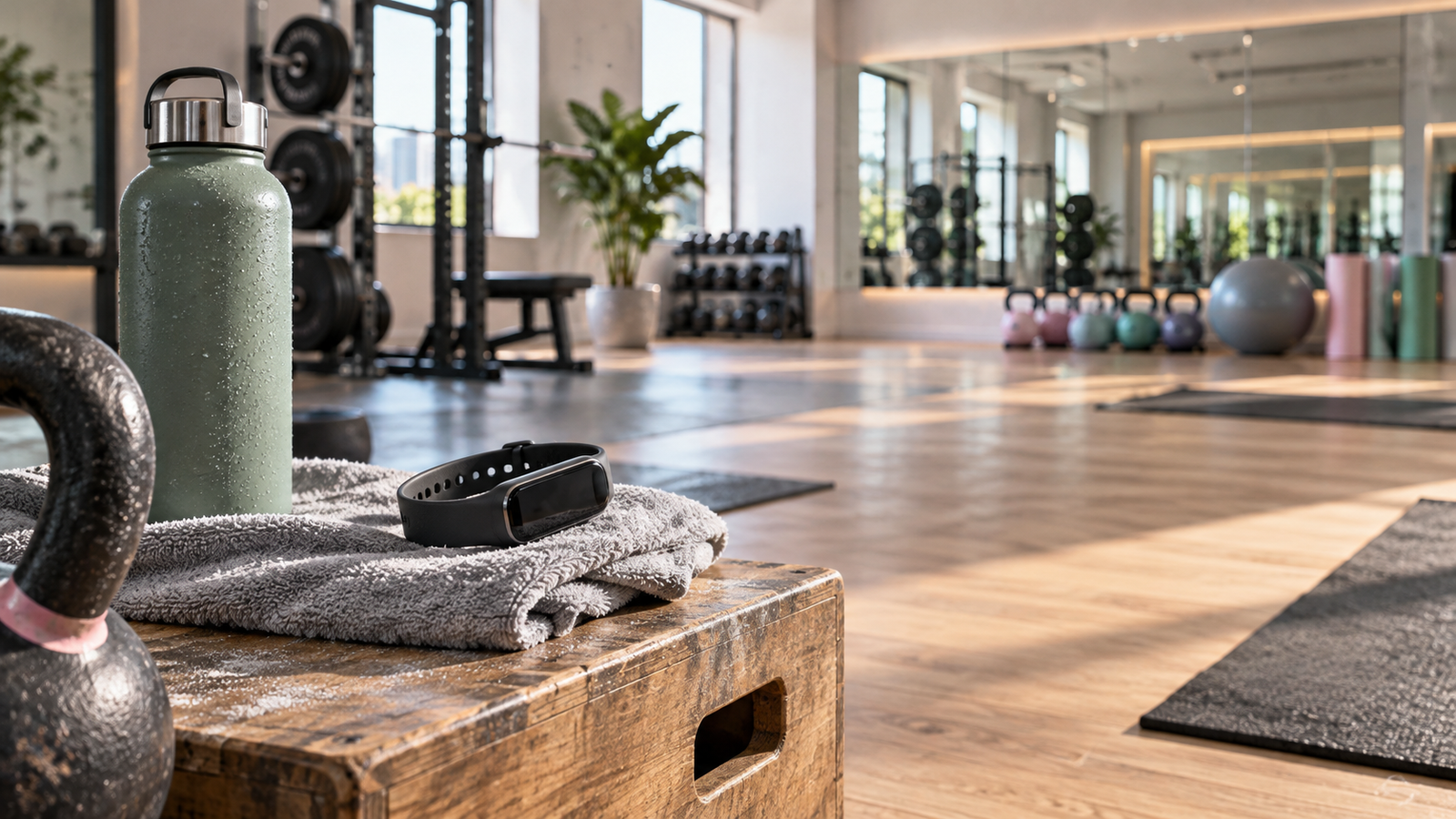
Choosing among the best fitness trackers for everyday health is less about finding the device with the longest feature list and more about matching a tracker to your routine, phone, budget, and comfort preferences. A useful wearable can encourage regular movement, support sleep and stress awareness, and simplify basic workout records. It cannot replace a medical assessment, and its measurements should be treated as estimates rather than diagnoses.
What is a fitness tracker?
A fitness tracker is a wrist-worn or wearable device that uses sensors and software to estimate information such as steps, movement, heart rate, exercise duration, sleep patterns, and sometimes blood oxygen or heart-rhythm indicators. Most models connect to a mobile app where trends, goals, notifications, and workout records are displayed.
For everyday health, the most useful tracker is usually one that you will wear consistently and understand easily. A device with advanced features may be a poor choice if it is uncomfortable, difficult to charge, incompatible with your phone, or likely to distract you.
How this comparison was developed

This review uses a feature-based comparison rather than claiming hands-on testing, laboratory results, or personal experience. The categories considered are everyday comfort, phone compatibility, exercise tracking, health features, battery and charging practicality, app quality, accessibility, privacy considerations, and suitability for beginners. Product capabilities can change through software updates and may vary by country, phone, subscription plan, and model generation, so check the manufacturer’s current specifications before buying.
The health guidance is framed around public resources including the U.S. Centers for Disease Control and Prevention physical activity guidance and the American Academy of Sleep Medicine and Sleep Research Society consensus recommendation for adult sleep duration. These sources describe healthy activity and sleep principles; they do not certify the accuracy of any particular consumer wearable.
Best fitness trackers for everyday health
Apple Watch: best for iPhone users who want broad health and safety features
Apple Watch is a strong choice for people already using an iPhone and wanting a smartwatch that also supports fitness and health tracking. Depending on the model and region, features can include heart-rate monitoring, workout tracking, sleep schedules, fall detection, emergency functions, medication reminders, and heart-rhythm notifications. The Apple Health app can combine information from the watch and compatible third-party apps.
Pros:
- Wide selection of workout, health, and accessibility features.
- Strong integration with the iPhone and Apple Health ecosystem.
- Useful safety functions on supported models and in supported locations.
- Clear workout displays and a large third-party app ecosystem.
Cons:
- Designed primarily for iPhone users; compatibility is a major consideration.
- Many people will need frequent charging compared with simpler trackers.
- The feature-rich interface can feel excessive for someone who only wants steps and sleep trends.
- Some capabilities depend on the model, country, and connected services.
Apple Watch is most appropriate when communication, safety, exercise, and health data are wanted in one device. It is less suitable for someone seeking a simple, low-maintenance tracker or using an Android phone.
Fitbit Charge 6: best for a focused health and activity band
The Fitbit Charge 6 is a slim activity band rather than a full smartwatch. It tracks common metrics such as steps, heart rate, workouts, and sleep, and it can provide notifications when paired with a compatible phone. Fitbit’s app emphasizes daily trends, activity goals, sleep information, and guided health features. Some content and functions may require a Fitbit Premium subscription, so the included features should be checked carefully.
Pros:
- Compact design that may be easier to wear overnight than a larger smartwatch.
- Broad coverage of everyday activity, exercise, and sleep features.
- Simple format for users who do not need a full set of smartwatch applications.
- Useful app-based trend views for building consistent habits.
Cons:
- Some advanced app content may sit behind a paid subscription.
- Compatibility and feature availability should be confirmed for the user’s phone and region.
- Like other wrist wearables, its sleep and calorie estimates are not medical measurements.
- People who want detailed training analytics may prefer a dedicated sports watch.
Charge 6 is a reasonable middle ground for someone who values a lightweight band, general wellness tracking, and a mature app experience without needing a full smartwatch.
Garmin vívosmart 5: best for simple activity tracking and Garmin users
The Garmin vívosmart 5 is a slim tracker aimed at everyday activity and wellness rather than advanced outdoor navigation. It can record steps, selected workouts, heart rate, sleep-related information, and stress-related metrics through Garmin’s ecosystem. Garmin’s wider product range is particularly relevant if you may later move to a running, cycling, or multisport watch.
Pros:
- Lightweight design suited to basic daily and overnight wear.
- Garmin Connect provides a broad view of activities and health-related trends.
- A practical entry point for people who may eventually want a Garmin training device.
- Focuses more on tracking than on smartphone-style applications.
Cons:
- It has fewer smartwatch functions than an Apple Watch or Galaxy Watch.
- Its small display may be less convenient for reviewing detailed workout data.
- Garmin’s terminology and dashboards can take time for beginners to learn.
- Some metrics are estimates that should not be used to make clinical decisions.
This model suits someone who wants a discreet tracker and appreciates Garmin’s activity platform, especially when notifications and advanced smartwatch features are not priorities.
Samsung Galaxy Fit3: best for compatible Android users seeking a basic band
The Samsung Galaxy Fit3 is a lightweight fitness band designed for everyday activity, workout, sleep, and notification features. It is most relevant to people already using compatible Samsung or Android devices. The exact phone requirements and available functions should be reviewed before purchase because Android compatibility is not identical across all phones.
Pros:
- Band-style design with a larger display than many basic activity trackers.
- Useful for steps, workouts, sleep routines, and simple notifications.
- Can be less complicated than a full smartwatch for a beginner.
- Fits naturally into a wider Samsung health and device ecosystem.
Cons:
- Not a suitable choice for iPhone users if required functions are unavailable.
- It does not offer the same depth of apps and advanced training tools as a smartwatch.
- Health features and integrations can depend on phone model, software, and region.
- Users wanting detailed running or strength-training analysis may outgrow it.
Galaxy Fit3 is best viewed as a straightforward habit and activity companion, not as a substitute for a medical device or a specialist training watch.
What to look for before buying
1. Compatibility and app access
Start with the phone you already use. Confirm whether the tracker works with iOS or Android, which permissions are required, and whether important features are restricted to a particular brand. Also check whether data can be exported or shared with a health platform you already use.
2. Comfort, size, and charging
A tracker should be comfortable during desk work, exercise, and sleep. Consider band material, clasp security, screen brightness, and whether the device is suitable for your wrist size. Charging habits matter: a device that runs out of power regularly will create gaps in sleep and activity records.
3. Useful metrics rather than maximum metrics
Commonly helpful information includes daily movement, workout duration, resting heart-rate trends, sleep timing, and reminders to take breaks. Advanced readings such as blood oxygen, stress scores, recovery scores, and calorie expenditure can provide context, but they are estimates influenced by sensor contact, skin movement, algorithms, and individual differences.
4. Exercise needs
For beginner-friendly fitness, look for simple walking, cycling, strength, mobility, and interval modes. If you train outdoors, consider built-in GPS or reliable phone-assisted GPS. Runners and cyclists may need more detailed training-load, navigation, and sensor support than a basic wellness band can provide.
5. Privacy and subscription terms
Read the manufacturer’s privacy policy and account requirements. Find out what data is collected, how it is shared, and whether health information can be deleted. A lower initial cost may be less attractive if core reports require an ongoing subscription. Avoid choosing a device solely because it offers the largest number of metrics.
Practical ways to use a tracker for healthier habits
- Set one behavior goal first. Begin with a realistic target such as a daily walk, two strength sessions per week, or a consistent bedtime. A tracker works better as a reminder than as a source of constant judgment.
- Use trends instead of reacting to one reading. Compare activity, sleep, or resting heart-rate patterns over several days. A single unusual result may reflect poor sensor contact, illness, alcohol, stress, travel, or a late meal.
- Pair tracking with balanced meals. Plan meals around vegetables or fruit, a protein source, high-fiber carbohydrates, and healthy fats. Do not treat estimated calorie burn as permission to undereat or as a precise basis for restrictive dieting.
- Add strength and mobility. Walking is valuable, but a balanced routine can also include beginner resistance exercises, joint-friendly mobility work, and rest days. A tracker may record a session, but it cannot assess technique as well as a qualified professional.
- Protect sleep and reduce notification overload. Use bedtime reminders or scheduled quiet periods if they help. If wearing the device makes sleep more difficult or increases anxiety, remove it and prioritize restful sleep over a complete data record.
- Review the data weekly. Ask whether the information helped you make a practical decision. If a metric does not change your behavior or support a health conversation, it may not deserve daily attention.
Limitations and safety considerations
Consumer fitness trackers estimate physiological and behavioral measures. They can be affected by loose fit, skin contact, tattoos, motion, device position, software algorithms, and differences between users. Step counts, calorie estimates, sleep stages, stress scores, and heart-rate readings should not be assumed to be exact. A wearable’s alert is not a diagnosis, and the absence of an alert does not prove that everything is normal.
Do not use a tracker to delay care for chest pain, fainting, severe shortness of breath, stroke symptoms, a sustained or concerning heart-rate change, or another urgent symptom. Discuss persistent concerns with a qualified healthcare professional. People with heart conditions, implanted medical devices, eating-disorder histories, diabetes, pregnancy-related concerns, or significant anxiety about health data may benefit from professional guidance before using intensive tracking.
Informational disclaimer: This article is for general education and product comparison, not medical, nutritional, financial, or fitness advice. Confirm current specifications, compatibility, privacy terms, and local availability with the manufacturer before purchasing.
Q&A
Are fitness trackers accurate enough for everyday health?
They can be useful for observing broad trends in movement, exercise duration, and sleep timing, but accuracy varies by metric and situation. Treat the data as an estimate and avoid using it to diagnose or rule out a medical condition.
Which tracker is best for a beginner?
A simple band such as Fitbit Charge 6, Garmin vívosmart 5, or Samsung Galaxy Fit3 may be easier to learn than a full smartwatch. The best choice depends on phone compatibility, comfort, app preferences, and whether subscriptions are acceptable.
Do I need GPS?
You may not need built-in GPS if you mainly walk indoors, do home workouts, or carry your phone outdoors. Built-in GPS is more useful for runners, cyclists, and hikers who want route recording without bringing a phone.
Should I track calories burned?
Calorie-burn estimates can be substantially uncertain and are not a strong foundation for restrictive eating. For most people, activity trends, strength progression, meal quality, and consistent sleep are more useful measures of everyday health.
Bottom line
The best fitness trackers for everyday health are the ones that fit your phone, routine, comfort needs, and relationship with health data. Apple Watch is the broadest option for iPhone users who want smartwatch and safety functions. Fitbit Charge 6 offers a focused activity-band experience, Garmin vívosmart 5 suits people who prefer Garmin’s health and activity platform, and Samsung Galaxy Fit3 is a practical basic band for compatible Android users. Whichever model you choose, use its information to support sustainable habits—not to chase perfect numbers.
Leave a Reply