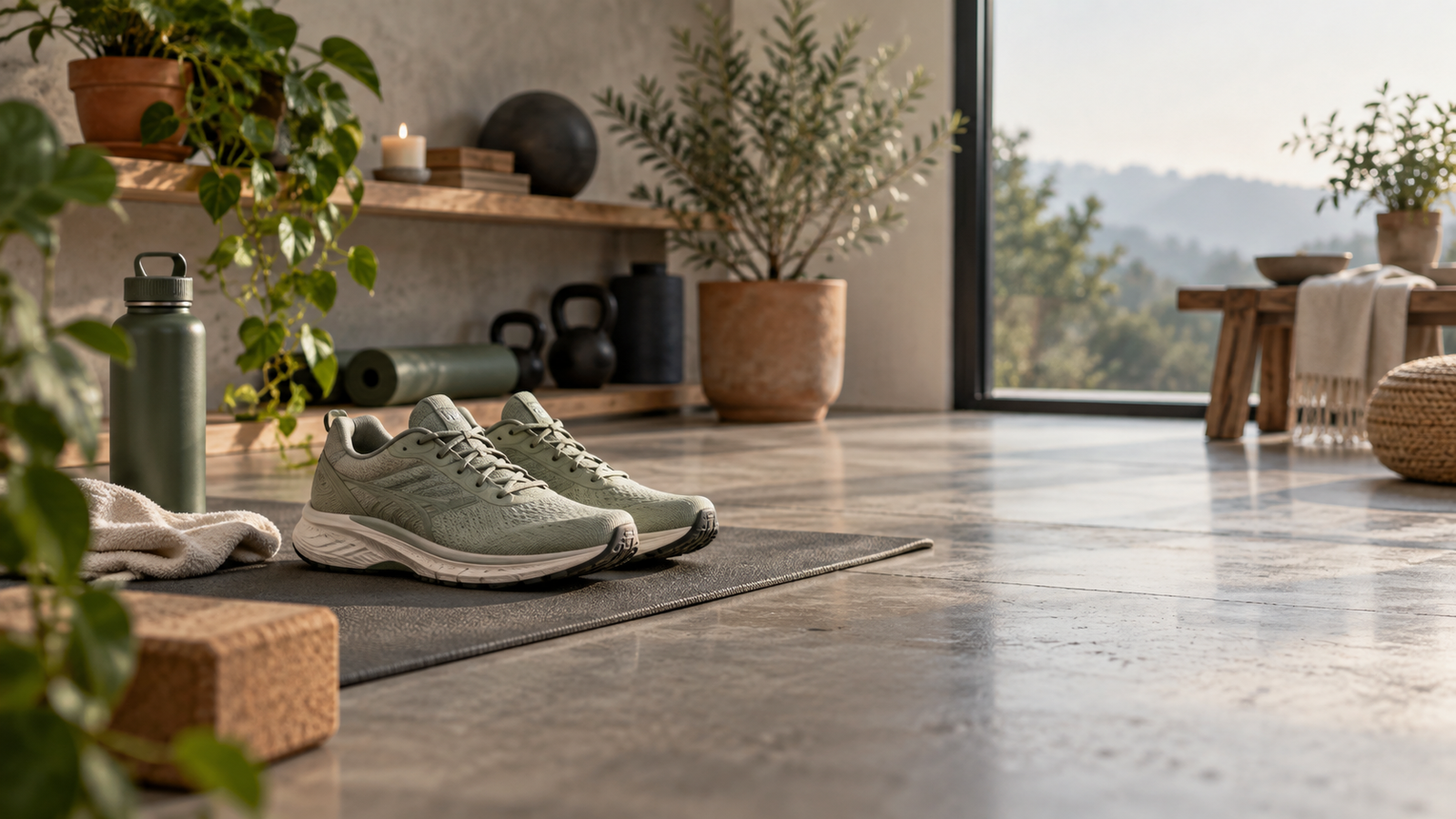
Choosing the best walking shoes for daily fitness is less about finding one universally perfect model and more about matching a shoe to your feet, routes, walking pace, and comfort preferences. A shoe that feels supportive to one person may feel restrictive or unstable to another. This guide compares several widely available walking and running shoe lines, explains what to look for, and offers a practical way to try them without relying on unverified performance claims.
The models below are examples to consider, not a ranked list based on laboratory testing or personal wear. Manufacturers change designs between versions, and fit can change too. Check the specifications and return policy for the exact version you are considering.
What makes a shoe a good choice for daily walking?
A daily walking shoe is footwear intended to make regular walks comfortable and reasonably stable on the surfaces you use. It should fit securely without squeezing, allow your toes to move, and feel suitable for your stride and planned distance. Cushioning, weight, flexibility, traction, and upper materials all affect comfort, but no single feature guarantees that a shoe is right for you.
Walking does not require a specialized shoe for everyone. Many people are comfortable in running shoes, walking shoes, or other athletic footwear. The practical test is how the shoe fits and feels during the type of walking you actually do, not the label on its box.
How this comparison was assembled
This is a feature-based comparison, not a claim that the shoes were independently tested or worn by the author. It uses product-line descriptions and intended-use information published by the manufacturers, alongside general fit guidance from the American Podiatric Medical Association (APMA) and the National Health Service (NHS). Features can differ by model year, width, and region; consult the current product page and a retailer before buying.
The APMA’s Seal of Acceptance is a product review program, not a guarantee that a shoe will suit every wearer or prevent injury. Check the association’s current product directory if its seal matters to you. NHS guidance on foot care also reinforces a basic point: footwear should fit comfortably and should not cause rubbing or pressure. Neither source replaces individualized advice from a qualified clinician.
Best walking shoes for daily fitness: options to compare
Brooks Ghost: a familiar neutral-cushion option
The Brooks Ghost line is a neutral road-running shoe often considered by people who want a cushioned shoe for pavement walks. Its broad availability can make it easier to compare sizes or find a retailer with multiple widths, although availability differs by location and version. The shoe’s running-shoe design may suit people who like a structured athletic feel rather than a very flexible casual walking shoe.
- Potential advantages: A conventional lace-up design; a cushioned feel; and availability in different versions and, in some markets, widths.
- Potential drawbacks: It may feel too substantial or warm for someone who prefers a light, low-profile shoe. A neutral design is not a substitute for a professional assessment if you have a diagnosed foot or gait condition.
May suit: Walkers who want to try a road-running shoe for regular pavement use and prefer a familiar, moderately cushioned setup. Verify the current version’s fit and features rather than assuming they remain unchanged.
ASICS GEL-CUMULUS: a road shoe to try for cushioned comfort
The ASICS GEL-CUMULUS is another road-running line that some walkers may find appropriate for everyday fitness walks. ASICS describes its running products by intended use and design features; those descriptions can help narrow a search, but they cannot tell you whether the shoe will feel comfortable on your feet. Try it at your usual walking pace if possible.
- Potential advantages: A familiar athletic-shoe shape; a cushioned design; and a choice worth comparing with other neutral road shoes.
- Potential drawbacks: The feel and fit can vary across versions. A running shoe may not provide the outsole or upper you want for wet paths, trails, or long hours standing.
May suit: People looking for a cushioned road shoe who are willing to compare several brands in person. Review current materials, available widths, and return terms before purchasing.
New Balance Fresh Foam X 880: a versatile road-shoe candidate
The New Balance 880 line is a road-running shoe option to compare if you value a more traditional trainer format. New Balance offers different fits and widths on some models, but availability depends on the specific version and retailer. A width label is useful only if the shoe’s shape also matches your heel, midfoot, and toe area.
- Potential advantages: A widely recognized road-shoe line; potential width choices; and a useful comparison point for shoppers who find some brands too narrow.
- Potential drawbacks: Not every version is offered in every width. A wider size may solve toe pressure but can also make the heel or midfoot feel loose.
May suit: Walkers who want to compare fit options and can try more than one width. Do not size up automatically to gain width; test whether the shoe remains secure through the heel.
HOKA Clifton: a more cushioned-feeling road shoe
The HOKA Clifton is a road-running line commonly associated with a cushioned ride and a substantial midsole. Some people like that underfoot feel for routine pavement walking; others prefer a lower or firmer shoe. Cushioning is a personal preference, not a measure of medical support or injury prevention.
- Potential advantages: A cushioned design for people who like a softer, higher-underfoot feel; a useful contrast when comparing more conventional trainers.
- Potential drawbacks: The stack height and shape may not feel stable or natural to every wearer. A bulky feel, if present, is a reason to try another style rather than assume you will adapt.
May suit: Walkers who specifically enjoy a cushioned road shoe and can test it on a flat indoor surface before committing.
Skechers GO WALK: a walking-focused alternative
Skechers GO WALK is a walking-oriented line with multiple designs, so features such as closure type, cushioning, and upper construction depend on the particular model. It can be a useful category to consider if you want footwear designed and marketed for walking rather than a running shoe. Examine the specific shoe rather than assuming the entire line has identical construction.
- Potential advantages: Walking-focused options; styles that may be convenient for casual daily use; and a different fit and feel from performance running shoes.
- Potential drawbacks: Some styles may not feel secure enough for brisk walking or uneven routes. Slip-on convenience should not come at the cost of heel movement or toe pressure.
May suit: Casual walkers who want to compare walking-oriented designs for errands and routine neighborhood walks. Check outsole grip and security if your route includes wet or uneven ground.
How to choose: practical steps before you buy
- Start with your route. Pavement, indoor floors, packed paths, and rocky trails place different demands on traction and construction. A road shoe is not automatically a safe choice for slippery or technical terrain.
- Shop when your feet are at their usual larger size. Feet can change size over time and may feel larger later in the day. If you use orthotics or specific socks, bring them along.
- Check length and toe room. Your toes should not be jammed against the front, and the forefoot should not be painfully compressed. There is no single measurement that overrides how the shoe feels when standing and walking.
- Secure the heel and midfoot. Lace the shoes as you normally would. A shoe that slips substantially at the heel or presses uncomfortably across the midfoot may not be a good match.
- Walk in both shoes. Try turns, a few minutes at your normal pace, and a faster pace if that is part of your routine. Notice rubbing, numbness, pressure, or a sense of instability.
- Compare alternatives, not just sizes. If the fit is wrong, try another width or shoe shape. Do not count on a painful shoe to become comfortable after a long break-in period.
- Review practical details. Check the return window, outsole suitability, care instructions, and whether replacement insoles affect fit. Keep the receipt and test the shoes indoors first if the retailer allows returns only in clean condition.
Comfort features and trade-offs
Cushioning: More cushioning may feel pleasant to some people, but it can also feel soft, tall, or unstable to others. Try different levels rather than choosing based on appearance or a claim that cushioning is inherently healthier.
Flexibility: A shoe should move comfortably with your step, but it need not bend in exactly one prescribed place for every person. A very flexible shoe may feel natural to one walker and insufficiently structured to another.
Upper and ventilation: Breathable materials can be comfortable in warm conditions, while a more protective upper may be useful in cooler weather. Mesh can be less protective from rain and debris. Match the shoe to your climate and route.
Outsole and grip: Tread and rubber coverage matter when surfaces are wet or irregular. Road shoes are generally intended for road use; for trails or slippery conditions, consider footwear designed for that terrain and inspect the tread regularly.
Weight and convenience: A lighter shoe can feel less cumbersome, but weight alone does not establish comfort. Slip-on styles are convenient, yet they still need to stay securely on your foot while walking.
Limitations: what a shoe comparison cannot tell you
Product descriptions cannot predict an individual fit, and a brand’s marketing terms are not clinical evidence. A shoe that feels good in a shop may behave differently over a longer walk. Wear patterns, sock choice, foot shape, walking speed, and surface conditions all matter. These examples are not a substitute for an in-person fitting, gait assessment, or medical evaluation.
Persistent pain, numbness, blisters, swelling, or a sudden change in your walking comfort deserves attention rather than repeated shoe purchases alone. People with diabetes, reduced foot sensation, circulation concerns, significant deformities, or a history of foot problems may need personalized footwear guidance from a clinician or podiatrist.
Q&A
Are running shoes suitable for daily walking?
Often, yes. Many people walk comfortably in road-running shoes. The right choice depends on fit, route, and personal preference, not on the shoe category alone.
Should walking shoes feel tight so they stay secure?
No. They should feel secure without painful pressure or toe restriction. Adjust the laces or try another size, width, or shape if you experience pinching or numbness.
Do expensive shoes prevent foot or knee pain?
Price alone cannot establish comfort or prevent pain. A well-fitting shoe that suits your activity is more useful than a high price or a broad performance claim. If pain continues, seek appropriate medical advice.
How often should I replace walking shoes?
There is no universal replacement schedule that applies to every person and shoe. Consider replacement when the fit changes, the outsole is worn, the shoe no longer feels comfortable, or its condition is unsuitable for your route. Follow manufacturer care guidance and inspect the shoes periodically.
Bottom line
The best walking shoes for daily fitness are the pair that fit comfortably, feel secure, and suit your usual surfaces and pace. Brooks Ghost, ASICS GEL-CUMULUS, New Balance Fresh Foam X 880, HOKA Clifton, and Skechers GO WALK offer different starting points, not guaranteed winners. Compare current versions in person when possible, walk in both shoes, and prioritize comfort and appropriate traction over marketing labels.
Disclaimer: This article is for general informational purposes and is not medical advice or a personalized product recommendation. Shoe availability and design change; confirm current details with the manufacturer or retailer. Consult a qualified health professional about persistent symptoms or special foot-care needs.
Leave a Reply