
Stress management breathing exercises for beginners can provide a simple, low-cost way to support calm, body awareness, and recovery during a busy day. Breathing practices do not remove the source of stress, and they are not a substitute for medical or mental health care. However, learning to slow and soften the breath may help some people reduce physical tension and respond more deliberately to challenging situations.
This guide explains what these exercises are, how to practice them safely, which methods are suitable for beginners, and how breathing can fit into healthy daily habits, sleep routines, beginner-friendly fitness, and broader wellness planning.
What are stress management breathing exercises?
Stress management breathing exercises are structured breathing techniques intended to influence breathing pace, depth, attention, or the relationship between inhalation and exhalation. Common approaches include slow diaphragmatic breathing, equal breathing, and breathing with a slightly longer exhalation than inhalation.
The diaphragm is a broad muscle beneath the lungs. When it contracts during inhalation, it moves downward and allows the lungs to expand. Diaphragmatic breathing often feels like gentle movement in the abdomen or lower ribs rather than pronounced lifting of the shoulders. It is sometimes called belly breathing, although the goal is not to force the abdomen outward.
Breathing is only one part of a stress response. Stress may also affect sleep, appetite, digestion, muscle tension, concentration, and exercise recovery. A breathing practice can be useful as one tool in a wider plan that includes regular meals, adequate sleep, movement, social support, and professional care when needed.
How breathing may affect stress
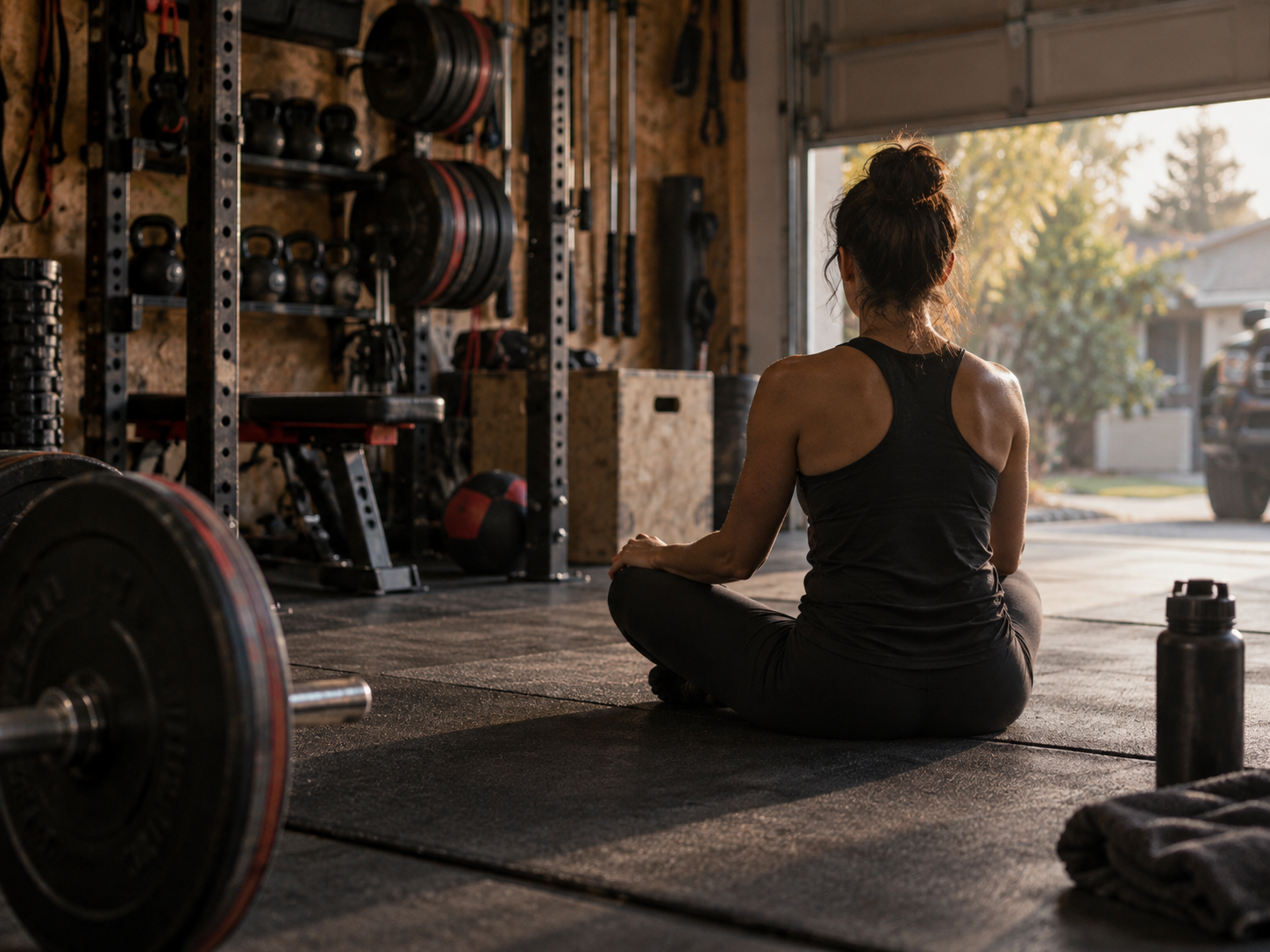
Breathing is automatic, but it can also be consciously adjusted. Slow, comfortable breathing may help shift attention away from racing thoughts and reduce unnecessary overbreathing. It can also encourage a pause between a stressful trigger and a reaction.
Research on relaxation techniques generally supports their potential for reducing perceived stress and promoting relaxation, although results vary by person, method, and study quality. The National Center for Complementary and Integrative Health, or NCCIH, describes breathing exercises and other relaxation practices as approaches that may produce a relaxation response. The American Lung Association also explains diaphragmatic breathing as a technique that can support more efficient breathing and awareness of the diaphragm.
These practices should be understood as supportive, not curative. A few minutes of breathing cannot resolve unsafe working conditions, persistent anxiety, financial strain, relationship conflict, or an untreated medical condition. It can, however, be a practical skill for managing the body’s immediate response while you decide what further action is appropriate.
Four beginner-friendly breathing exercises
1. Gentle diaphragmatic breathing
This is a useful starting point because it emphasizes comfort rather than a complicated count.
- Sit supported or lie down with your knees comfortably bent.
- Place one hand on your upper chest and the other on your lower ribs or abdomen.
- Breathe in gently through your nose if that feels comfortable. Allow the lower ribs and abdomen to move naturally.
- Exhale without pushing the air out. Let your shoulders, jaw, and hands soften.
- Continue for several relaxed breaths, stopping if you feel dizzy, breathless, or uncomfortable.
The hand position is for feedback, not pressure. Your abdomen does not need to rise dramatically, and your upper chest will still move. If nasal breathing feels blocked or unpleasant, breathing through the mouth is acceptable.
2. Extended-exhalation breathing
Some beginners find it calming to make the exhalation a little longer than the inhalation. The difference should be modest and never forced.
- Inhale comfortably for a count of three.
- Exhale slowly for a count of four or five.
- Repeat for a few minutes while keeping the breath quiet and easy.
Do not treat the count as a performance target. If counting makes you tense, replace it with the simple instruction: “Easy in, slightly longer out.” Avoid breath-holding unless a qualified professional has specifically taught you to use it.
3. Equal breathing
Equal breathing uses the same approximate length for the inhalation and exhalation. It may be easier than extended exhalation for people who dislike a sensation of restricted airflow.
- Choose a comfortable count, such as two or three.
- Inhale gently for that count.
- Exhale gently for the same count.
- Continue without pauses for as long as the pattern remains comfortable.
Keep the breath natural. A shorter, relaxed pattern is more useful than a longer count that causes strain or air hunger.
4. Breathing with a body scan
This combines slow breathing with attention to physical tension. It can be helpful before sleep, after work, or before a beginner workout.
- Take one or two comfortable breaths.
- Notice your forehead, jaw, neck, shoulders, hands, abdomen, and legs.
- On each exhalation, identify one area you can soften slightly.
- Continue for several minutes, observing sensations without trying to force them away.
The purpose is awareness, not perfect relaxation. Some people become more aware of discomfort when they focus inward. If that happens, open your eyes, look around the room, and return to ordinary breathing.
A simple five-minute beginner routine
Use this routine once a day or during a predictable stress point, such as before a meeting or after commuting.
- Set up: Sit with your feet supported and your back comfortably upright. Loosen tight clothing if needed.
- Orient: Look around and name a few neutral details, such as the color of a wall or the feeling of the chair. This can make the practice feel grounded.
- Observe: Notice your natural breathing for about one minute without changing it.
- Choose a pattern: Try gentle diaphragmatic breathing or a three-count inhale followed by a four-count exhale.
- Practice: Continue for two or three minutes. Keep the breath quiet, light, and unforced.
- Finish gradually: Return to normal breathing, move your hands and feet, and decide whether you feel more settled, unchanged, or uncomfortable.
Recording a brief note afterward can help you learn what works: time of day, exercise used, comfort level, and whether the practice affected tension or concentration. A notebook is sufficient; a fitness tracker or wellness device is optional and not required.
How to build the habit
Consistency is usually more practical than long sessions. Attach breathing to an existing routine, such as making morning tea, starting a computer, finishing a strength-training session, or preparing for bed. A short practice that you repeat is often easier to maintain than an ambitious routine that feels like another obligation.
Keep expectations realistic. The goal may be to notice stress earlier, reduce shoulder tension, create a pause before responding, or transition into sleep. You do not need to feel completely calm for the practice to be worthwhile.
Breathing can also complement other healthy habits. Balanced meals and regular hydration support energy, while moderate movement can help manage tension. Mobility exercises may pair well with slow breathing during warm-ups or cooldowns. A calm evening routine might include dimmer lighting, light stretching, and breathing rather than relying on a supplement or device marketed as a quick fix.
Pros and cons for beginners
Potential advantages
- Accessible: Most techniques require no special equipment, membership, or purchased program.
- Portable: You can practice while seated at home, at work, or during travel, provided the setting is safe.
- Low physical demand: Gentle breathing can be suitable when vigorous exercise is not appropriate, although individual medical advice still matters.
- Useful as a transition: It may help you shift between work, exercise, meals, and sleep.
- Supports self-awareness: Regular practice may make it easier to notice jaw clenching, shallow breathing, or rising tension.
Possible disadvantages or challenges
- It may feel uncomfortable: Focusing on breathing can increase anxiety, panic sensations, or awareness of breathlessness for some people.
- Results vary: One person may feel calmer, while another notices little change.
- Technique can be overdone: Deep or rapid breathing may cause light-headedness or tingling, especially if it leads to overbreathing.
- It does not address every cause: Breathing cannot replace treatment for persistent anxiety, depression, trauma-related symptoms, sleep disorders, or breathing disease.
- Some settings are unsuitable: Do not practice a distracting technique while driving, operating machinery, or doing activities that require full attention.
Limitations and evidence-aware use
Breathing research includes different techniques, comparison groups, session lengths, and outcomes. A study of a supervised clinical program does not automatically prove that an unsupervised practice will produce the same result. Perceived calm is also subjective, and changes in breathing rate do not necessarily indicate that stress has been resolved.
For a neutral starting point, consult the NCCIH information on relaxation techniques and the American Lung Association’s material on diaphragmatic breathing. These sources provide general education rather than a personalized diagnosis or treatment plan. A clinician, respiratory therapist, or qualified mental health professional can help adapt a practice when anxiety, asthma, chronic obstructive pulmonary disease, panic symptoms, or other health concerns are involved.
Be cautious with apps, wearable devices, and programs that present a single breathing score as a definitive measure of health. Consumer devices may estimate breathing or heart-related measures, but their readings can be affected by movement, fit, skin contact, and algorithms. Use such tools for optional feedback, not as a replacement for symptoms, clinical assessment, or professional advice.
Safety guidance
Stop the exercise and return to normal breathing if you develop significant dizziness, chest pain, faintness, worsening shortness of breath, confusion, or distress. Seek urgent medical help for severe or sudden symptoms. People with respiratory or cardiovascular conditions, a history of panic triggered by breath focus, or other relevant health concerns should ask a qualified clinician how to practice safely. Never use breath-holding or intense breathing drills in water, while driving, or in situations where loss of awareness could cause harm.
This article is for general informational purposes and is not medical advice, diagnosis, or treatment. Breathing exercises should complement—not replace—appropriate medical or mental health care.
Concise Q&A
How long should a beginner practice?
Start with a few comfortable minutes. Increase only if the practice remains easy and useful. There is no requirement to reach a particular duration.
Should I breathe through my nose?
Nasal breathing can feel comfortable for some people, but it is not mandatory. Use the route that allows relaxed breathing, especially if congestion or another condition makes nasal breathing difficult.
Can breathing exercises stop a panic attack?
They may help some people manage physical arousal, but they are not guaranteed to stop panic. If focusing on breathing increases fear, look outward, use grounding through the senses, and follow a plan developed with a mental health professional.
Is deeper breathing always better?
No. Forced deep breathing can create discomfort or light-headedness. Aim for quiet, comfortable, and unstrained breathing rather than the largest possible breath.
Can I combine breathing with exercise?
Yes, gentle breathing awareness can be used during warm-ups, mobility work, cooldowns, or recovery. During strength training, follow qualified instruction about breathing and avoid breath-holding if it is not appropriate for you.
Bottom line
Stress management breathing exercises for beginners are best approached as a modest, repeatable skill. Begin with natural diaphragmatic breathing, try a slightly longer exhalation only if it feels comfortable, and practice in a safe setting. Pair the habit with sleep-supportive routines, balanced nutrition, regular movement, and appropriate professional care. The aim is not perfect calm; it is a practical pause that may help you respond to stress with greater awareness.
Leave a Reply