
Hydration is one of the simplest parts of daily wellness, yet it is easy to overcomplicate. People may forget to drink during a busy workday, rely on thirst only after exercising, or swing between drinking very little and forcing down large amounts of water. A more useful approach is to build a hydration habit that is realistic, flexible, and appropriate for your body, climate, activity level, and health needs.
This guide explains how to build a sustainable hydration habit without treating one universal water target as suitable for everyone. It covers practical routines, meal planning, beginner-friendly exercise, strength training, sleep and stress, wellness devices, electrolyte products, environmental considerations, and the limits of common hydration advice.
What Is a Sustainable Hydration Habit?
A sustainable hydration habit is a repeatable way of getting enough fluids over the course of the day without relying on extreme rules, constant tracking, or excessive consumption. It usually combines water and other suitable drinks with water-rich foods such as fruit, vegetables, yogurt, soups, and meals prepared with liquid.
“Sustainable” has two meanings here. First, the habit should be easy enough to continue during normal workdays, travel, exercise, and weekends. Second, it should avoid unnecessary waste, such as repeatedly buying single-use bottles when tap water is safe and convenient. It does not mean drinking a fixed volume regardless of thirst or trying to keep urine completely clear.
Fluid needs differ because of body size, age, diet, pregnancy, breastfeeding, temperature, altitude, illness, sweating, medications, and physical activity. The National Academies of Sciences, Engineering, and Medicine describe general adequate-intake values for total water from all beverages and foods, but these are population reference values rather than personal prescriptions. The National Academies also emphasize that individual requirements vary.
Why Hydration Supports Healthy Living
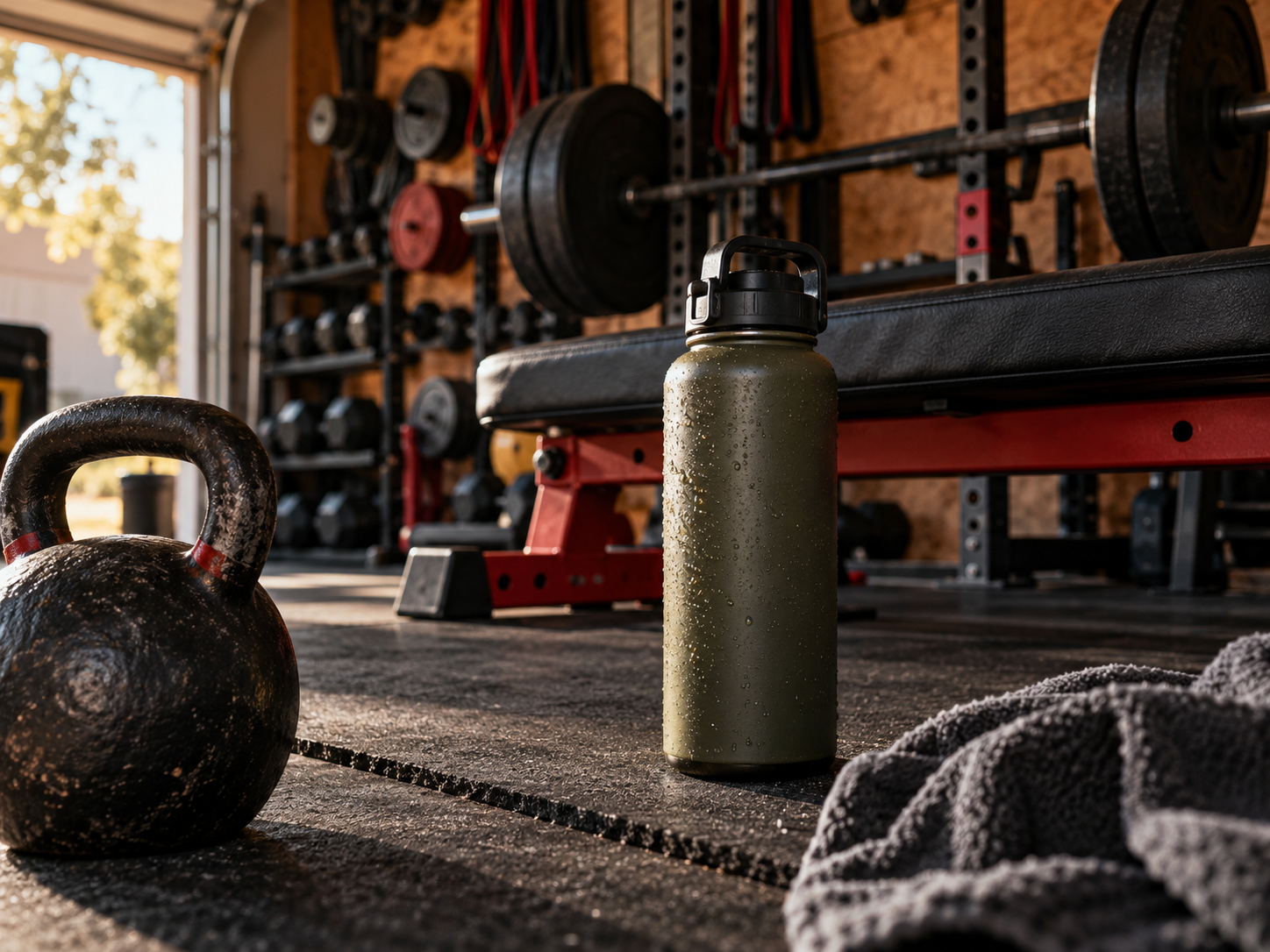
Water is involved in temperature regulation, circulation, digestion, joint lubrication, and many normal cellular processes. Dehydration can contribute to symptoms such as thirst, dry mouth, headache, darker urine, tiredness, or reduced exercise tolerance. These symptoms are not specific, however, and can also result from poor sleep, stress, illness, medication effects, or inadequate food intake.
Good hydration can support a balanced nutrition plan because it makes high-fiber meals more comfortable for many people and can help replace sugary drinks without requiring an overly restrictive diet. Drinking water before or with meals may also become a useful routine, although water is not a substitute for adequate calories, protein, fiber, or micronutrients.
During exercise, fluid losses can increase through sweat and breathing. For a moderate home workout or a short walk, ordinary water is often sufficient for most healthy adults. Longer, harder, or hotter sessions may require a more deliberate plan, particularly when sweating is heavy. Even then, more is not always better.
How to Build a Sustainable Hydration Habit
1. Start with observation rather than a rigid target
For several days, notice when you naturally drink, what beverages you choose, how often you exercise, and whether your urine is usually pale yellow, very dark, or almost clear. Urine color is only a rough indicator because foods, vitamins, medications, and medical conditions can change it. Still, it can provide context when combined with thirst, energy, heat exposure, and exercise.
Also consider your normal schedule. Someone who commutes, teaches, works outdoors, or trains early in the morning may need different reminders from someone who works at a desk. Start by identifying one or two predictable opportunities, such as drinking with breakfast and refilling a bottle after lunch.
2. Attach drinking to existing daily habits
Habit stacking makes hydration less dependent on memory. You might drink with breakfast, lunch, and dinner; take a few sips when beginning a work block; drink after brushing your teeth; or have water when returning from a walk. These cues are often more reliable than alarms every hour.
Keep the routine flexible. The goal is not to sip constantly or interrupt sleep repeatedly. If drinking large amounts late in the evening leads to nighttime urination, shift more of your intake earlier in the day while still responding to thirst.
3. Choose a container that fits your life
A reusable bottle or glass can make fluids visible and convenient. Choose a size and lid that work for your bag, desk, car, or home workout area. A bottle with volume markings can help some people understand their habits, while others may find markings increase anxiety or encourage unnecessary drinking.
Pros of a reusable bottle include convenience, fewer disposable containers, and an easy visual reminder. Cons include cleaning requirements, odor buildup, leaks, and the possibility of treating the bottle’s capacity as a mandatory daily quota. Wash it regularly according to the manufacturer’s instructions, paying particular attention to straws, seals, and narrow openings.
Filtration devices can improve taste or reduce certain contaminants, but they are not automatically necessary. Their value depends on local water quality, the filter’s certification, replacement schedule, and proper maintenance. If you are comparing filters, look for independent certification relevant to the contaminant you want to reduce rather than relying only on broad marketing claims.
4. Make plain water easier to enjoy
If plain water feels unappealing, try chilled or room-temperature water, sparkling water, or water flavored with citrus, cucumber, berries, or herbs. Unsweetened tea can also contribute to fluid intake. Flavoring can help replace sugar-sweetened beverages, but frequent acidic additions such as lemon juice may affect dental enamel for some people. Rinsing with plain water afterward and maintaining normal oral hygiene may be sensible.
Use taste as a practical tool, not as a reason to buy expensive powders or “detox” products. Many hydration products contain sweeteners, caffeine, sodium, or other ingredients that may not be necessary for ordinary daily activity.
5. Include fluid-rich foods in balanced meals
Hydration is not separate from nutrition. Soups, stews, oatmeal, milk, yogurt, oranges, melons, berries, tomatoes, cucumbers, and leafy vegetables can all contribute water. A balanced meal pattern that includes produce, protein foods, whole grains or other carbohydrate sources, and healthy fats may make hydration more consistent because meals create natural drinking opportunities.
Do not use water-rich foods as a reason to avoid drinking when thirsty. They are one part of total fluid intake. People eating a very high-fiber diet may also need to pay attention to adequate fluids, but increasing fiber and fluid gradually can be more comfortable than making abrupt changes.
6. Match hydration to beginner-friendly exercise
For walking, mobility work, light cycling, or a short home workout, drink normally before the session and keep water available. You do not need to force a large volume immediately before exercising. During the session, drink according to thirst and the conditions. Afterward, replace fluids as part of your normal routine and eat a balanced meal or snack if appropriate.
Strength training can produce sweat, especially in warm rooms or high-volume sessions, but sweat loss varies widely. A fan, breathable clothing, rest breaks, and a cooler training space may improve comfort as much as adding a sports drink. If you train for a long duration, exercise in heat, or sweat heavily, consider recording body weight before and after a session only if you can do so without becoming preoccupied. A sports dietitian can help interpret the information.
7. Use devices as reminders, not authorities
Fitness trackers, smart bottles, phone apps, and smartwatch reminders can support awareness. Their benefits include prompts during busy periods and a record of patterns across workdays and workouts. Their drawbacks include inaccurate estimates, notification fatigue, privacy concerns, and the temptation to chase a number that does not reflect your actual needs.
A practical comparison method is to evaluate any device by four questions: Does it make the desired behavior easier? Is the measurement explained and reasonably credible? Can you use it without feeling pressured? Are the cost, charging, data collection, and cleaning requirements acceptable? A simple reusable bottle and a calendar reminder may be more useful than a connected device.
8. Plan for sleep, stress, and travel
Stress can make people forget routine behaviors or mistake fatigue for thirst. Pairing hydration with short movement breaks, regular meals, and a consistent sleep schedule may work better than treating fluids as an isolated task. Keep a bottle near your work area, but avoid drinking automatically every time you feel tired; first consider whether you need food, a break, fresh air, or sleep.
For travel, carry an empty reusable bottle through airport security where permitted, refill it afterward, and check local water-safety guidance. During illness involving vomiting, diarrhea, fever, or heavy sweating, fluid needs may change. Oral rehydration solutions are formulated for specific situations and are different from ordinary flavored water. Follow guidance from a qualified clinician or pharmacist when illness is significant.
Water, Electrolytes, and Supplements
Electrolytes such as sodium and potassium help regulate fluid balance and nerve and muscle function. Sports drinks or electrolyte powders may be useful during prolonged, intense exercise, heavy sweating, or certain medical situations when recommended by a professional. They can also contain substantial sugar, sodium, caffeine, or herbal ingredients.
For everyday desk work, ordinary walking, and many short workouts, an electrolyte supplement is not automatically needed. The American College of Sports Medicine publishes guidance on hydration and exercise, but its recommendations are intended to be applied in context, considering duration, intensity, environment, and individual sweat losses.
Do not assume that “more electrolytes” is safer. People with kidney disease, heart disease, high blood pressure, or medication-related fluid restrictions may need individualized advice about sodium, potassium, and total fluids. Supplements can also interact with medicines. Read the full label and treat marketing claims as claims rather than proof of necessity.
Common Mistakes and Their Limitations
Following the same water target as everyone else
Rules such as a fixed number of glasses may be easy to remember but fail to account for food intake, body size, weather, exercise, and medical needs. A general target can be a starting point, not a guarantee that the amount is right for you.
Waiting until severe thirst
Thirst is useful, but it may be less noticeable during focused work, older age, cold weather, or intense exercise. A few routine drinking opportunities can prevent long gaps without requiring constant sipping.
Overdrinking to achieve clear urine
Persistently clear urine is not a universal goal. Drinking excessive amounts quickly can dilute blood sodium and contribute to a dangerous condition called exercise-associated hyponatremia. Symptoms can include headache, nausea, confusion, unusual fatigue, or seizures. Severe symptoms require urgent medical attention.
Using sports drinks for every activity
Sports drinks may be useful in selected situations, but routine use can add sugar, sodium, and cost. Compare the product’s ingredients with the demands of your activity rather than assuming a branded drink is required.
Ignoring water quality and hygiene
Hydration habits depend on safe access to fluids. If your local water supply has a safety advisory, follow official instructions. Keep bottles, shaker cups, and hydration reservoirs clean. A device that is rarely washed can introduce avoidable hygiene problems.
A Simple Weekly Hydration Plan
For week one, establish three anchors: one drink with breakfast, one with lunch, and one with dinner. Add a refill or drink before a planned workout. Keep the container visible and record only whether the routine happened, not necessarily every sip.
For week two, review what worked. If you repeatedly forget during work, place water beside your keyboard or connect drinking to scheduled breaks. If you dislike the taste, test chilled water, sparkling water, or unsweetened tea. If you wake often to urinate, move more of your intake earlier and ask a clinician about persistent symptoms.
For week three, adapt the routine to exercise and weather. Drink more deliberately when training in heat or for longer periods, and learn whether ordinary water is adequate for your usual sessions. Avoid making changes based solely on a tracker’s recommendation.
By week four, keep the smallest routine that works. A sustainable habit may be as simple as carrying a clean bottle, drinking with meals, responding to thirst, and adjusting for heat and exercise.
Concise Hydration Q&A
How much water should I drink each day?
There is no single amount suitable for every person. Consider total fluids from beverages and food, thirst, urine color as a rough guide, activity, climate, and medical advice. General reference values from the National Academies are not personal prescriptions.
Is coffee dehydrating?
Caffeinated drinks can contribute to fluid intake for many regular consumers, although caffeine may affect sleep, anxiety, heart rate, or urination in sensitive people. Keep caffeine moderate and avoid using it as your only source of fluids.
Do I need electrolytes after a normal workout?
Usually not automatically. For many short or moderate sessions, water and normal meals are sufficient. Electrolytes become more relevant with prolonged exercise, heavy sweating, heat, or specific medical guidance.
Can I drink too much water?
Yes. Excessive intake, especially over a short period or during prolonged exercise, can dangerously lower blood sodium. Avoid forcing fluids and seek advice if you have a condition or medication that affects fluid balance.
What is the most sustainable hydration tool?
Usually the tool you will use consistently and clean safely. A durable bottle, glass, or filtered tap-water setup may reduce disposable packaging, but filtration is only useful when the filter is appropriate and maintained.
Safety and Information Disclaimer
This article is for general educational information and is not medical advice. Ask a qualified healthcare professional about fluid intake if you have kidney, heart, liver, or endocrine disease; take diuretics or other medicines affecting fluids; are pregnant or breastfeeding; have repeated dizziness or swelling; or are recovering from vomiting, diarrhea, or another illness. Seek urgent care for confusion, fainting, seizures, severe weakness, or suspected severe dehydration or overhydration.
For further reading, consult the Dietary Reference Intakes for Water, Potassium, Sodium, Chloride, and Sulfate from the National Academies of Sciences, Engineering, and Medicine, guidance from the U.S. Centers for Disease Control and Prevention, and the American College of Sports Medicine’s position guidance on exercise and fluid replacement. These sources support a context-based approach rather than a one-size-fits-all rule.
Leave a Reply