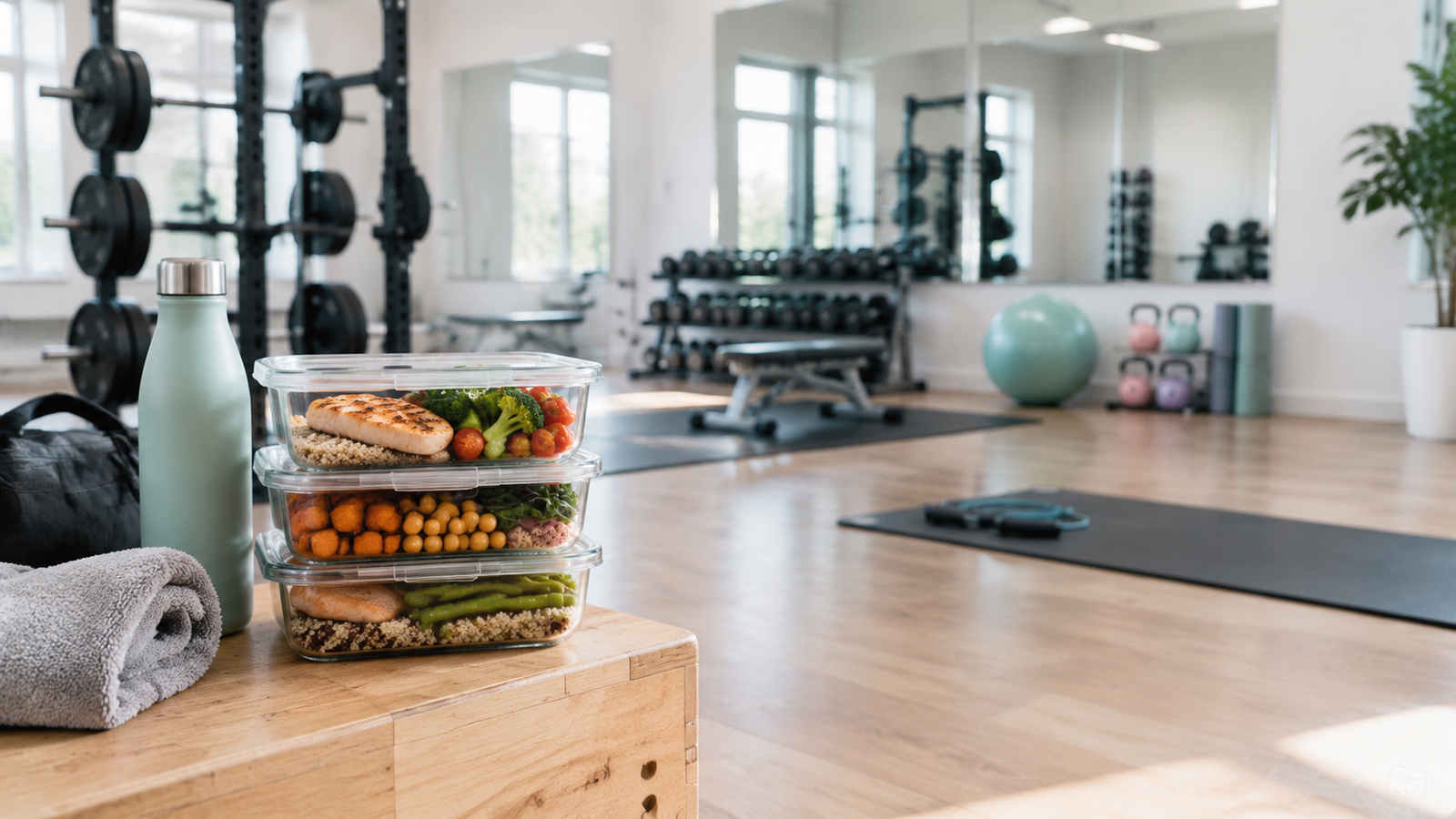
Preparing meals in advance can make balanced eating easier, especially during busy workdays, family evenings, or weeks when motivation is low. The best easy healthy meal prep for the week does not require complicated recipes, expensive equipment, or eating the same meal every day. It relies on a simple system: choose a few nutritious ingredients, prepare them in flexible ways, store them safely, and combine them into satisfying meals.
This approach supports healthy daily habits because it reduces last-minute decisions. It can also complement beginner-friendly fitness, strength training, mobility work, and better sleep by providing regular meals with enough protein, carbohydrates, fiber, and healthy fats. The goal is not dietary perfection. The goal is to make nourishing choices more convenient.
What makes a healthy meal-prep plan work?
A practical plan usually includes three parts: a protein source, a high-fiber carbohydrate or starchy vegetable, and a generous serving of vegetables or fruit. Add a source of unsaturated fat and a flavorful sauce or seasoning, and you can create several meals from the same basic ingredients.
- Protein: eggs, chicken, turkey, fish, tofu, tempeh, lentils, beans, Greek yogurt, cottage cheese, or edamame.
- Carbohydrates: oats, brown rice, quinoa, potatoes, whole-grain pasta, barley, whole-grain bread, beans, or fruit.
- Vegetables: leafy greens, broccoli, peppers, carrots, green beans, cabbage, tomatoes, mushrooms, or frozen vegetables.
- Healthy fats: olive oil, avocado, nuts, seeds, tahini, or natural nut butter.
- Flavor boosters: herbs, spices, salsa, lemon juice, yogurt-based sauces, hummus, pesto, or low-sodium soy sauce.
Balanced nutrition does not require every meal to contain a perfect ratio of nutrients. Instead, look at the overall pattern across the day and week. If breakfast is light on protein, lunch or a snack can help balance the day. If one meal is lower in vegetables, include produce at another meal.
Choose a simple meal-prep structure
Before shopping, decide how much preparation fits your schedule. Preparing every meal for seven days can create unnecessary work and may reduce freshness. Many people find it easier to prepare two or three main dishes, several grab-and-go foods, and a few ingredients that can be assembled later.
Option 1: Component preparation
Cook ingredients separately rather than making one large recipe. For example, roast vegetables, cook a grain, prepare chicken or tofu, and make a dressing. During the week, combine them in bowls, wraps, salads, or plates. This method offers variety and allows different household members to customize meals.
Option 2: Batch recipes
Prepare a large pot of bean chili, lentil curry, vegetable soup, turkey meatballs, or chicken stew. Divide portions into containers and refrigerate some while freezing the rest. Batch recipes work well for lunches and dinners because they reheat easily and often taste better after the flavors develop.
Option 3: Mix and match
Use one or two cooked proteins, two vegetables, a grain or potato, and several sauces. This gives you a flexible menu without requiring a new recipe for every day. You can also use leftovers from dinner as the next day’s lunch.
A step-by-step weekly meal-prep plan
1. Review the week
Check your calendar before choosing recipes. Note workdays, exercise sessions, social meals, travel, and evenings when cooking will be difficult. Plan fewer portions on nights when you will eat out. A realistic plan prevents food waste and leaves room for normal life.
2. Select two proteins
Choose one animal-based and one plant-based protein, or select two options that suit your preferences. Roasted chicken and lentils, baked salmon and tofu, or eggs and black beans can provide useful variety. If you eat fish, choose options that fit current seafood guidance and vary your choices when possible.
3. Add two or three vegetables
Use a mix of fresh and frozen produce. Frozen vegetables can be nutritious, affordable, and convenient because they are often processed soon after harvesting. Choose vegetables with different colors and textures, such as broccoli, peppers, carrots, spinach, cabbage, or green beans.
4. Prepare one or two carbohydrates
Cook a grain, roast potatoes, prepare oats, or keep whole-grain wraps and bread available. Carbohydrates provide energy for daily activity and exercise. People who strength train or perform regular cardio may find that including carbohydrates around workouts supports training quality and recovery.
5. Make one versatile sauce
A simple sauce can keep repeated ingredients from becoming boring. Try plain yogurt mixed with lemon and herbs, tahini with water and garlic, salsa with lime, or olive oil with vinegar and mustard. Store sauces separately so meals do not become soggy.
6. Portion according to hunger
Instead of assuming every container should be identical, consider your appetite and activity level. A larger portion may be appropriate after a demanding workout, while a smaller portion may work for a lighter meal. Include snacks when needed rather than waiting until you are extremely hungry.
Easy healthy meal-prep ideas
Breakfast options
- Overnight oats: Combine oats, milk or a fortified dairy alternative, Greek yogurt, chia seeds, cinnamon, and fruit. Add nuts or nut butter before eating.
- Egg and vegetable cups: Bake eggs with spinach, peppers, mushrooms, or onions. Serve with whole-grain toast and fruit.
- Yogurt bowls: Portion plain yogurt with berries, oats, seeds, and a small amount of nut butter. Keep crunchy toppings separate until serving.
- Freezer breakfast burritos: Fill whole-grain tortillas with eggs or tofu, beans, vegetables, and a modest amount of cheese. Wrap individually and reheat thoroughly.
Lunch and dinner options
- Build-your-own grain bowls: Combine quinoa or brown rice with roasted vegetables, chickpeas or chicken, greens, and a yogurt or tahini dressing.
- Sheet-pan meals: Roast a protein, potatoes, and sturdy vegetables together. Add a fresh salad or fruit for more variety.
- Bean and vegetable chili: Use beans, tomatoes, onions, peppers, and spices. Serve with avocado, plain yogurt, or whole-grain bread.
- Wraps and salads: Fill whole-grain wraps or salad containers with tuna, tofu, chicken, hummus, vegetables, and a separate dressing.
- Stir-fry kits: Prepare sliced vegetables, cooked protein, and a sauce. Combine with rice or noodles when ready to eat.
Snack options
Good meal prep includes convenient snacks for times when meals are delayed. Useful choices include fruit with nuts, vegetables with hummus, cottage cheese with berries, roasted chickpeas, hard-boiled eggs, or whole-grain crackers with tuna or avocado. Snacks do not need to be elaborate; they should simply help you stay nourished between meals.
Food safety and storage basics
Safe storage is as important as choosing nutritious ingredients. Refrigerate cooked foods promptly rather than leaving them at room temperature for extended periods. Use shallow containers to help food cool more quickly, label containers with the preparation date, and keep your refrigerator cold. When in doubt about a food’s safety, discard it rather than tasting it to test whether it is still good.
Most cooked meals are best used within several days when refrigerated, while foods intended for later in the week can be frozen. Thaw frozen meals in the refrigerator, in cold water changed regularly, or in the microwave rather than on the counter. Reheat leftovers until they are hot throughout. Follow local food-safety guidance, particularly for poultry, seafood, eggs, rice, and other foods that require careful handling.
Store ingredients separately when texture matters. Keep salad greens dry, place dressings in small containers, and add nuts, seeds, or crunchy toppings just before eating. Clear containers can make prepared food easier to see, which may help you remember to use it.
Healthy kitchen tools that make prep easier
You do not need a large collection of appliances. A sharp chef’s knife, sturdy cutting board, sheet pans, a large pot, a skillet, measuring spoons, and leak-resistant containers cover most meal-prep tasks. A rice cooker or slow cooker can be useful if you often prepare grains, beans, soups, or stews, but these tools are optional.
A digital kitchen scale can help with recipe consistency, especially when baking, but it is not required for balanced meals. Measuring cups can be helpful for portioning grains, sauces, and ingredients when learning a recipe. Choose tools that are easy to clean and fit your kitchen rather than buying equipment based on marketing claims.
Meal prep for exercise and recovery
Nutrition can support beginner-friendly fitness without becoming complicated. Before exercise, many people tolerate a meal or snack containing carbohydrates and some protein, such as a banana with yogurt, oatmeal with milk, or toast with eggs. After training, a meal with protein, carbohydrates, and fluids can support recovery. The right timing depends on the activity, your schedule, appetite, and personal tolerance.
Strength training and mobility work benefit from consistency more than from a perfect meal plan. Keep easy options available on training days, such as pre-cooked grains, canned beans, frozen vegetables, eggs, or yogurt. If you exercise at home, a resistance band, adjustable dumbbells, or a stable exercise mat may be enough to support a basic routine. Equipment does not replace progressive training, sound technique, and adequate rest.
Fitness trackers and wellness devices can help some people notice patterns in activity, sleep, or heart rate, but their estimates are not exact measures of calorie needs or health. Use them as optional prompts rather than as the sole basis for restrictive eating. Likewise, supplements should not replace regular meals. Protein powder, vitamin D, iron, creatine, or other products may be useful in specific circumstances, but suitability depends on diet, health status, medications, and professional guidance.
How to keep meal prep from becoming repetitive
Change flavor profiles instead of replacing every ingredient. The same roasted vegetables and grain can work with salsa and lime one day, lemon and herbs another day, and a ginger-soy dressing later in the week. Rotate toppings such as avocado, seeds, pickled vegetables, fresh herbs, or yogurt sauces.
Vary textures as well. Add raw vegetables to cooked meals, use crisp fruit with yogurt, or serve soup with whole-grain toast. Keep at least one no-cook option available for busy days. A meal of hummus, whole-grain pita, tomatoes, cucumber, fruit, and a boiled egg can be just as practical as a cooked dish.
Plan one flexible meal each week. This might be leftovers, a supermarket rotisserie chicken with salad, a healthy frozen meal paired with vegetables, or a simple omelet. Flexibility makes a plan more sustainable and reduces the pressure to follow a rigid schedule.
Sleep, stress, and the role of routine
Meal preparation can support sleep and stress management when it reduces evening decisions and prevents long gaps between meals. However, it should not become another source of pressure. Choose a preparation window that feels manageable, such as one hour on a weekend or two shorter sessions during the week.
Protecting sleep also supports appetite regulation, energy, and exercise consistency. Keep a simple evening meal available so late work, poor sleep, or a stressful day does not force an all-or-nothing choice. A nourishing meal does not need to be elaborate to be worthwhile.
A sample prep session
Start by washing and chopping vegetables while the oven heats. Roast a tray of broccoli, carrots, peppers, and potatoes. At the same time, cook quinoa or brown rice and simmer a pot of lentils. Bake chicken or tofu with a basic spice blend. While everything cooks, prepare a yogurt-herb sauce and portion fruit, nuts, and yogurt for snacks.
Once the food has cooled appropriately, place ingredients in labeled containers. Keep several meals in the refrigerator and freeze portions you will not use soon. Leave some ingredients separate so you can build bowls, salads, wraps, or plates rather than eating an identical container every day.
Q&A
How many meals should I prepare at once?
Prepare enough for the days you expect to be busy, not necessarily the entire week. Two or three main dishes plus flexible ingredients can provide variety and reduce food waste.
Can meal prep help with weight management?
It may help by making balanced meals more available and reducing impulsive choices, but results depend on overall eating patterns, activity, sleep, health conditions, and individual needs. Avoid extreme restriction.
Is frozen produce healthy?
Yes. Plain frozen fruits and vegetables can be convenient and nutritious. Choose products without added sugar, heavy sauces, or excess sodium when those ingredients do not fit your needs.
What if I dislike leftovers?
Prepare components instead of complete meals. Store proteins, vegetables, grains, and sauces separately, then assemble a different combination each day.
The takeaway
Easy healthy meal prep for the week is less about cooking every meal in advance and more about creating useful choices. Select a few proteins, vegetables, high-fiber carbohydrates, healthy fats, and sauces. Store them safely, adjust portions to your appetite and activity, and leave room for flexibility. With a realistic routine, meal prep can support balanced nutrition, regular movement, better stress management, and healthier daily habits without turning food into a rigid project.
Leave a Reply