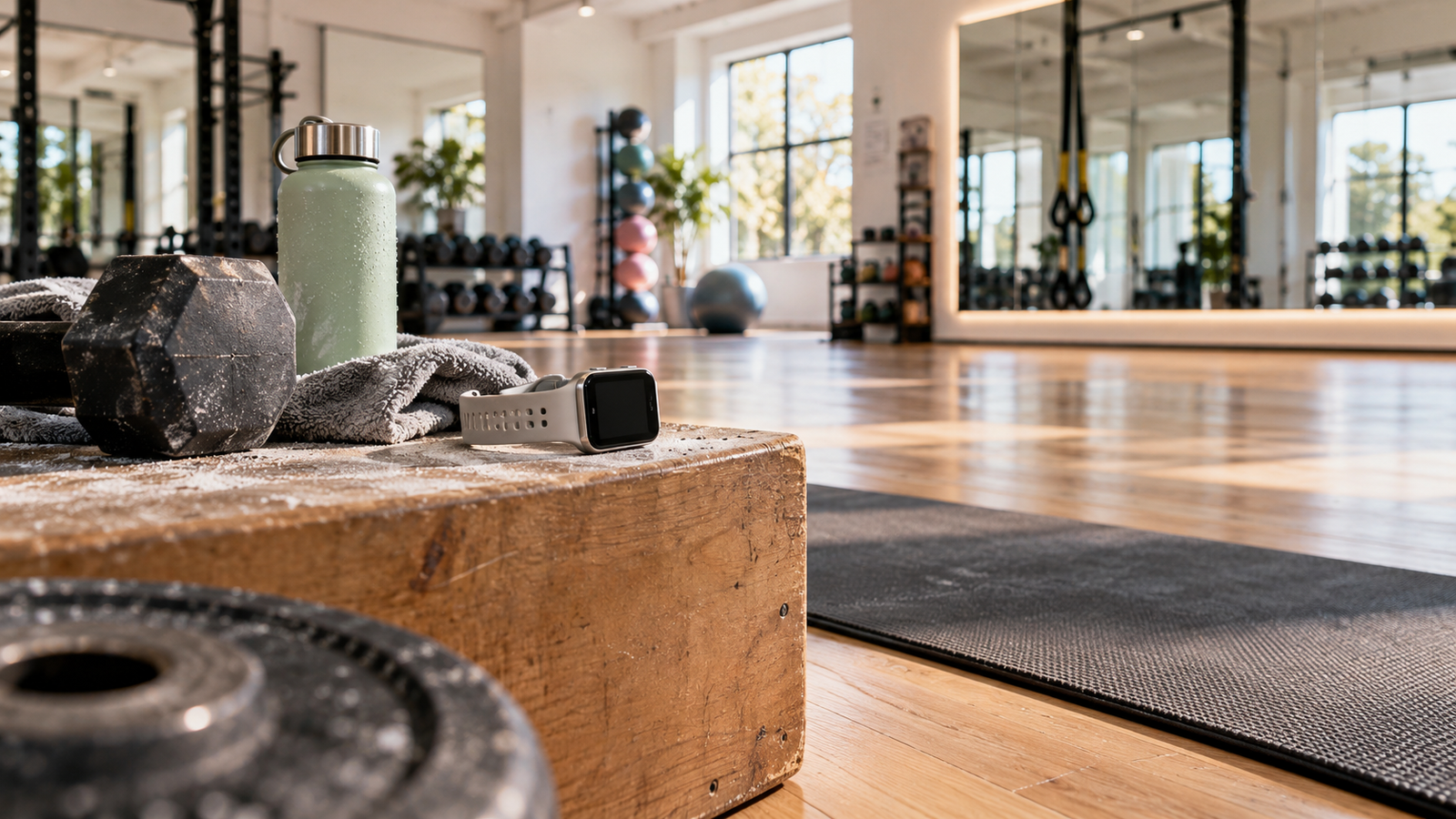
Choosing a fitness tracker is less about finding the device with the longest feature list and more about matching its tools to your daily habits, health goals, phone, budget, and tolerance for charging and notifications. The most useful fitness tracker features worth comparing before buying are the ones that produce information you can understand and use consistently.
A tracker may count steps, estimate heart rate, monitor sleep, record workouts, measure blood oxygen, provide navigation, or connect with other wellness devices. However, more measurements do not automatically mean better guidance. Some features are useful for motivation and routine-building, while others are better treated as rough indicators rather than clinical measurements.
What is a fitness tracker?
A fitness tracker is a wearable electronic device that uses sensors and software to estimate aspects of movement, exercise, recovery, and sometimes health-related signals. Most models connect to a smartphone app where data is displayed through charts, trends, reminders, and goals.
Common sensors include accelerometers for movement, optical sensors for pulse readings, and sometimes satellite positioning, skin-temperature sensors, or electrical sensors that support limited heart rhythm features. The device does not directly measure every result it displays. For example, calorie expenditure, sleep stages, recovery scores, and stress scores are usually software estimates based on sensor data and personal inputs.
That distinction matters. A tracker can be useful for noticing patterns, encouraging regular walks, or recording strength workouts without being a diagnostic device. If a reading concerns you, discuss it with a qualified health professional rather than relying on the wearable alone.
The most important fitness tracker features worth comparing before buying

1. Activity tracking and goal flexibility
Step counting is a familiar feature, but it is not the only measure of useful activity. Compare whether a tracker can record walking, cycling, swimming, strength training, mobility work, and other activities you actually perform. Also check whether you can create goals based on time, distance, frequency, or intensity instead of being limited to a daily step target.
For general health planning, look for weekly summaries and trend views rather than only daily streaks. The Centers for Disease Control and Prevention describes adult activity guidance in terms of moderate or vigorous aerobic activity plus muscle-strengthening activity. A tracker that helps you schedule both kinds of exercise may be more useful than one that focuses heavily on steps.
Compare:
- Automatic activity detection versus manual workout selection.
- Support for indoor and outdoor activities.
- Custom goals and weekly progress reports.
- Reminders to move, with the option to silence them.
- Whether strength sessions can be logged by exercise, sets, repetitions, or only duration.
2. Heart-rate monitoring
Continuous or periodic optical heart-rate monitoring can help you observe exercise intensity and changes across similar workouts. It may also support features such as heart-rate zones, resting heart-rate trends, and alerts for unusually high or low readings.
Accuracy can vary with fit, skin contact, movement, tattoos, temperature, device position, and the activity itself. Rapid arm movement and weight training can be particularly challenging for wrist-based sensors. A tracker should not replace medical equipment when a clinician has recommended a validated monitor.
Compare whether heart-rate data is available during workouts, throughout the day, and during sleep. Check whether the app explains how zones or alerts are calculated. If you are interested in structured training, look for easy-to-read zone displays and the ability to review heart rate alongside pace, distance, or duration.
3. Sleep tracking and recovery features
Sleep tools can estimate time asleep, time awake, bedtime consistency, and stages such as light, deep, or rapid eye movement sleep. Recovery features may combine sleep, recent activity, heart-rate trends, and self-reported information into a readiness or recovery score.
These scores can support reflection, but they are not a complete assessment of sleep quality or health. The American Academy of Sleep Medicine provides sleep-duration recommendations, while a wearable mainly estimates sleep-related patterns from movement and other signals. If a tracker repeatedly reports poor sleep, compare the result with how you feel and with your habits rather than assuming the score explains the cause.
Compare:
- Whether sleep tracking works without a paid subscription.
- Bedtime, wake-time, and schedule views.
- Sleep trend reports instead of a single nightly score.
- Comfort, size, and battery life for overnight wear.
- Whether recovery recommendations are transparent or difficult to interpret.
4. GPS and location features
Built-in GPS can record routes, distance, pace, and elevation without requiring a phone during a run or walk. Connected GPS uses the phone’s location service, which may reduce the cost or size of the wearable but requires carrying the phone.
Compare satellite support, route accuracy in places where you exercise, map access, and how quickly the device establishes a signal. A device intended for outdoor training may also need route navigation, emergency contact tools, or location sharing. These features can involve phone permissions, an account, and sometimes a cellular plan, so review the full requirements before purchasing.
5. Workout modes and strength-training support
Beginner-friendly fitness does not require advanced metrics, but it does benefit from clear feedback. Check whether the tracker supports the activities you enjoy and whether its workout screens are readable while moving. For strength training, compare exercise libraries, rest timers, set and repetition logging, and the ability to edit an automatically detected session.
Automatic repetition counting can be convenient, but it may misidentify exercises or miss repetitions. A simple manual log may be more dependable for progressive strength training. For mobility sessions, a timer, routine library, and reminders may matter more than calorie estimates.
6. Battery life and charging
Battery life affects whether you wear the tracker consistently, especially if sleep tracking is important. Compare the manufacturer’s stated battery range with the features you plan to use. GPS, bright screens, frequent notifications, music playback, and continuous sensor use can reduce runtime.
Also check charging time, charger design, battery replacement options, and whether the device can record data while charging. A shorter charging routine may be acceptable if the device charges quickly, while a longer battery may be preferable for travel or outdoor activities.
7. Water resistance and durability
Water resistance ratings are not the same as unlimited protection from water. Compare whether the device is intended for sweat, rain, showering, pool swimming, or open-water use. Follow the manufacturer’s instructions about salt water, hot tubs, soaps, and drying.
For home workouts, also consider screen protection, band replacement, case availability, and how securely the device stays in place during kettlebell work or floor exercises. A tracker that is uncomfortable or easy to damage may not provide much long-term value.
8. App quality, compatibility, and data export
The wearable is only one part of the product. The companion app determines how easy it is to review trends, correct errors, build routines, and understand the information. Before buying, check compatibility with your phone’s operating system, account requirements, supported health platforms, and whether key features work without a subscription.
Data export is important if you want to keep a personal record or move between services. Look for clearly stated options to download activity data, delete an account, and control which data is shared. A polished app is helpful, but clear controls and understandable reports are more important than decorative charts.
9. Privacy and security controls
Fitness trackers can collect location, movement, sleep, heart-rate, and other sensitive information. Read the privacy policy and product permissions before creating an account. The Federal Trade Commission offers general guidance on protecting personal information online, including reviewing permissions and limiting data sharing.
Compare two-factor authentication, account deletion, data download, sharing controls, and whether the company explains how long it retains information. If the tracker connects to social features, check whether workouts, routes, or health details are public by default.
10. Accessibility and everyday comfort
Comfort is an important performance feature. Compare band materials, clasp design, weight, screen readability, vibration strength, font size, and voice or touch controls. People with small wrists, sensitive skin, limited dexterity, or visual impairments may need different designs.
Try to assess whether the device can be worn during work, exercise, sleep, and household tasks. A tracker with fewer features that you can comfortably wear most days may be more useful than a more advanced device that spends much of its time in a drawer.
How to compare fitness trackers in practical steps
- Write down your primary goal. Decide whether you want walking reminders, workout records, sleep awareness, outdoor navigation, strength-training logs, or a combination.
- Separate essential features from attractive extras. For example, built-in GPS may be essential for phone-free running but unnecessary if you exercise indoors.
- Check compatibility first. Confirm phone support, account requirements, app availability, and integration with services you already use.
- Review recurring costs. Identify which features require a subscription, cellular service, replacement bands, or proprietary accessories. Total ownership cost matters more than the initial purchase price.
- Read the official specifications and support pages. Look for battery conditions, water-resistance instructions, sensor limitations, and software requirements.
- Examine privacy terms before purchase. Decide whether you are comfortable with the information collected and the controls offered.
- Choose a realistic measurement routine. Decide when you will charge the device, review trends, and turn off distracting alerts.
Neutral pros and cons of fitness trackers
Potential advantages
- They can make daily movement more visible and encourage regular activity.
- They can help organize workout history and show patterns over time.
- Reminders may support healthy routines, including breaks from prolonged sitting.
- GPS, timers, and workout screens can be useful for outdoor or home training.
- Sleep and recovery trends may prompt reflection on bedtime habits, workload, and stress.
Potential disadvantages
- Sensor readings and calorie estimates are not equally reliable for every person or activity.
- Some useful reports may be restricted by a subscription.
- Frequent alerts and streaks can increase pressure or distract from body cues.
- Data collection creates privacy and account-security considerations.
- Wrist devices may be uncomfortable, require frequent charging, or become inaccurate when worn loosely.
Limitations and responsible use
Fitness trackers are best used for trends, planning, and motivation. They should not be used to diagnose illness, confirm a medical emergency, prescribe training during a health condition, or replace professional advice. Estimates can change after a software update, a change in fit, or a different activity.
Use the device as one source of information alongside how you feel, your exercise history, sleep routine, and guidance from qualified professionals. Stop exercise and seek appropriate medical help for serious or concerning symptoms such as chest pain, fainting, severe shortness of breath, or unusual weakness. People who are pregnant, managing a chronic condition, taking medication that affects exercise response, or returning after an injury should ask a clinician how to use exercise data safely.
For purchases, compare the complete cost, return policy, warranty, subscription terms, and privacy practices. Specifications can change by model, region, and software version, so verify current information on the manufacturer’s official product and support pages before paying.
Concise Q&A
Which feature matters most for a beginner?
Reliable activity tracking, a comfortable design, clear app summaries, and a battery routine you can maintain are usually more useful than advanced metrics.
Are sleep scores accurate?
They are estimates based on available sensors and algorithms. Use them to notice broad patterns, not as a diagnosis or a definitive measurement of sleep stages.
Do I need built-in GPS?
You may want it if you exercise outdoors without carrying a phone. If your phone is usually with you, connected GPS may be sufficient.
Is a subscription worth paying for?
It depends on whether the locked features support your goals. Compare the free experience, recurring cost, cancellation terms, and competing products before deciding.
What is the best way to use a tracker?
Choose a small number of meaningful measures, review trends weekly, and avoid treating every daily fluctuation as a health judgment.
Bottom line
The best buying decision comes from comparing the features that fit your real routine: activity modes, heart-rate context, sleep tools, GPS, workout support, battery life, comfort, app quality, privacy, and total cost. Start with your goal, verify the manufacturer’s current information, and treat health estimates as useful clues rather than medical facts. A simple tracker used consistently can support healthy daily habits, balanced training, and better awareness without turning wellness into a constant stream of numbers.
Informational disclaimer: This article is for general education and product comparison only. It is not medical, financial, or safety advice. Product specifications, software features, subscription terms, and privacy policies may change; confirm current details with the manufacturer and consult a qualified professional for personal health decisions.
Leave a Reply